

The Douro Valley is an iconic region in Portugal. Its river is one of the largest in Portugal and covers a large and diverse geographical area. In such a well-known and touristy region, doing something private for small groups and as unique and authentic as possible was a great challenge. But if you don’t give up, you persevere and end up succeeding!
We managed to create a unique experience of incredible comfort! We have river cruising on a private yacht and family farms with delicious local cuisine. Delicious wine tastings, with people born with the Douro in their veins and hearts.
It’s much more than a boat trip! It’s much more than a tasting!
It is a memorable experience! An experience to recharge energy and soak up the best this region offers!
So, what is the Douro Valley?
The Demarcated Region of the Douro River in Portugal is divided into three sub-regions: Douro Superior, Cima Corgo and Baixo Corgo. Each of these sub-regions has its own characteristics. From the point of view of vineyards and the wines resulting from them, the main differences are the average temperatures and precipitation rates.
Douro Superior is hotter and drier; Cima Corgo has slightly more rainfall and mild temperatures; and Baixo Corgo is the wettest and coldest region.
The Demarcated Douro Region was the first wine region to receive this denomination to safeguard and preserve the good wine that has been made here since the 17th century. It covers an area of 250 thousand hectares. Since 2001, 24 thousand hectares have been a UNESCO World Heritage Site, the Alto Douro Wine Region.
Despite this worldwide demarcation, the Companhia Geral da Agricultura das Vinhas do Alto Douro was created in 1756, during the time of the Marquis of Pombal. It is one of the most important regions in Portugal, both in tourist and economic terms, since the wine produced here is exported in large quantities.
Historical, cultural and human heritage of this region
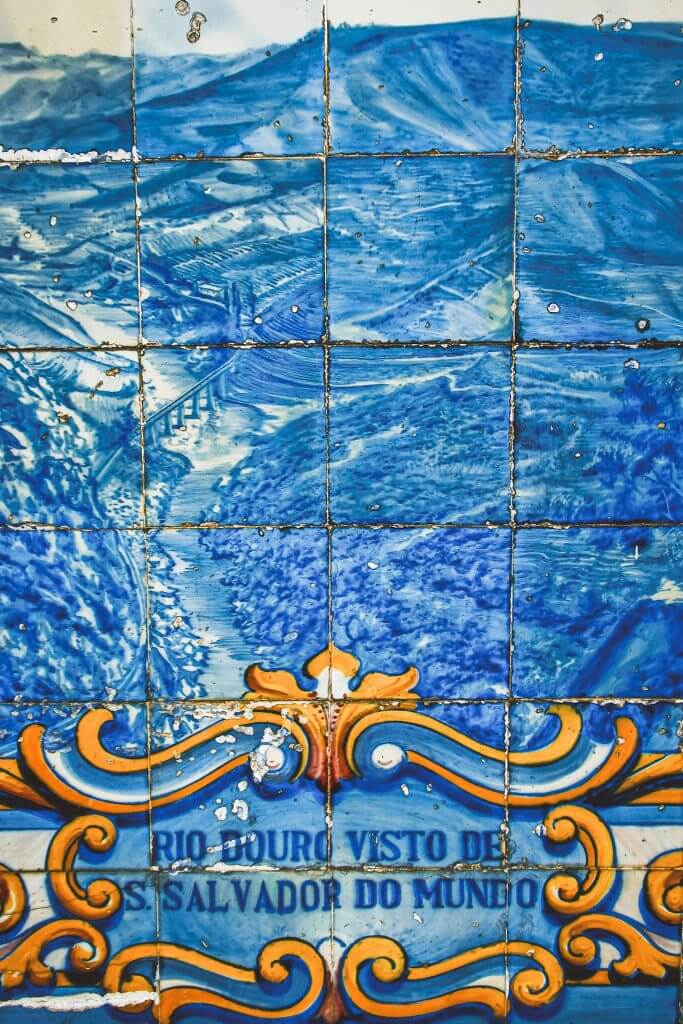
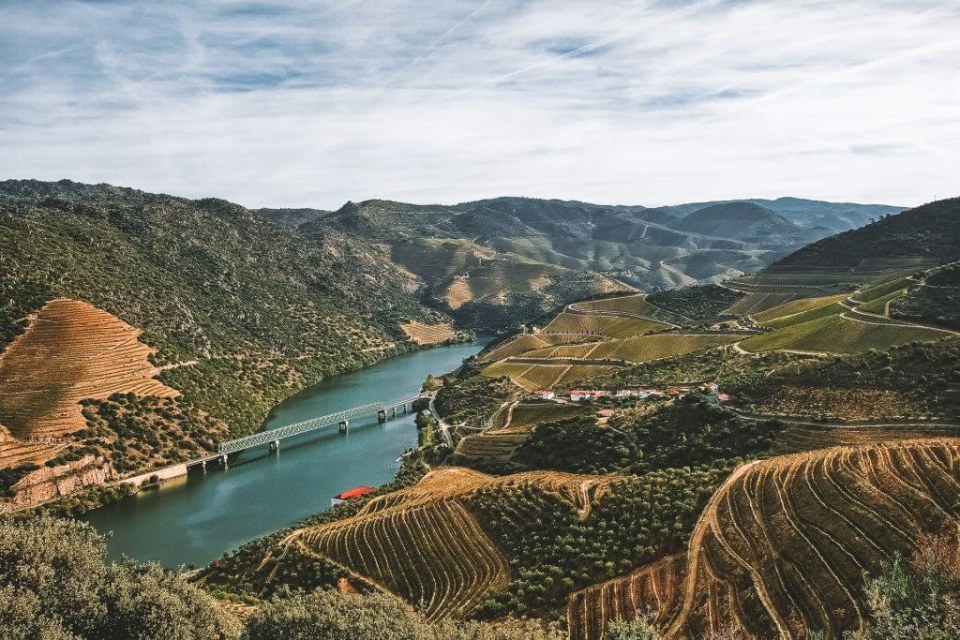
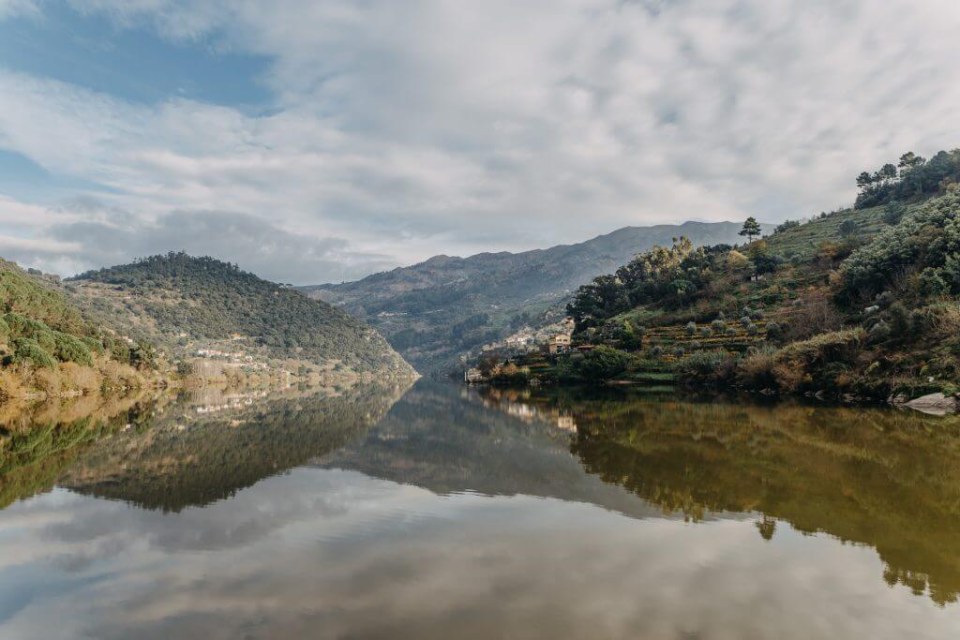
This is a region where man and nature created something unique in the world! Man tamed the landscape by placing vines on terraces (small stone walls that allow the vines to grow on hillsides) like you won’t see anywhere else.
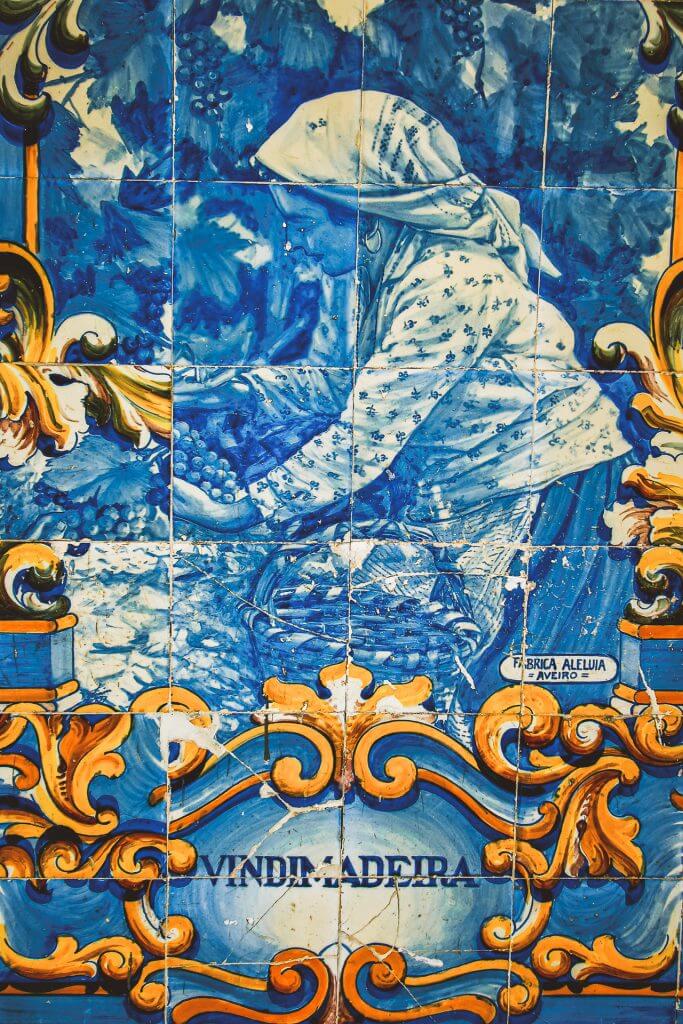
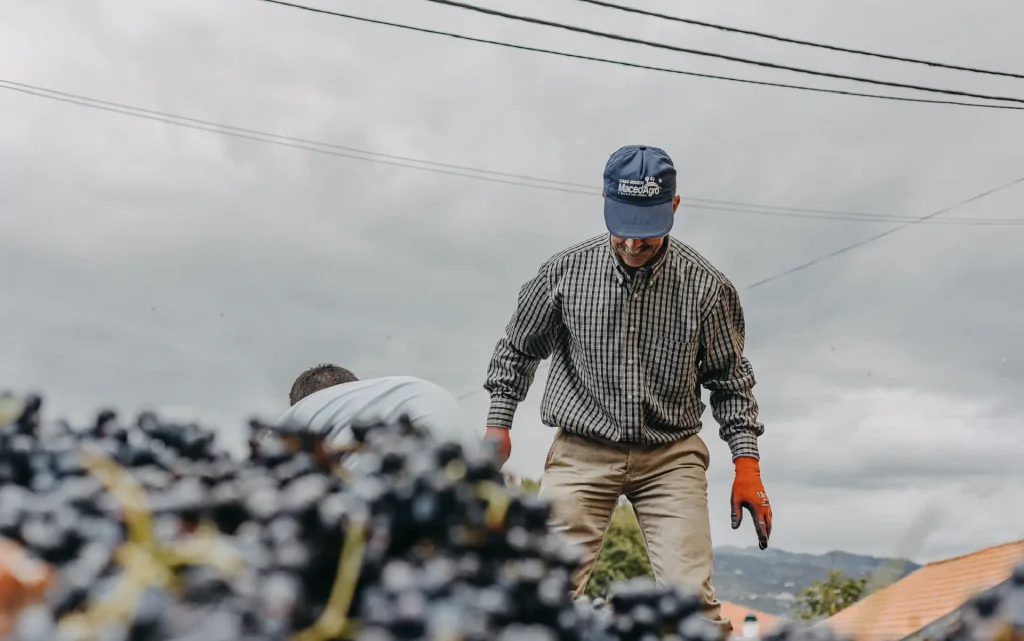
We’re talking about an area with century-old vineyards where historical heritage is preserved and passed down from generation to generation. The processes have been updated, but that doesn’t mean we don’t maintain what has always been done, such as, for example, the treading of the grapes.
Although there are now machines to do it, and most of the process is done using them, you can still see the grape treading festival. The spirit is incredible. Song after song, men, women and children, all together in the lagar (press) treading grapes.
The Spirit of this valley
𝗡𝗼 𝗺𝗮𝗰𝗵𝗶𝗻𝗲 𝗰𝗮𝗻 𝗿𝗲𝗽𝗹𝗮𝗰𝗲 𝘁𝗵𝗶𝘀 𝘀𝗽𝗶𝗿𝗶𝘁!
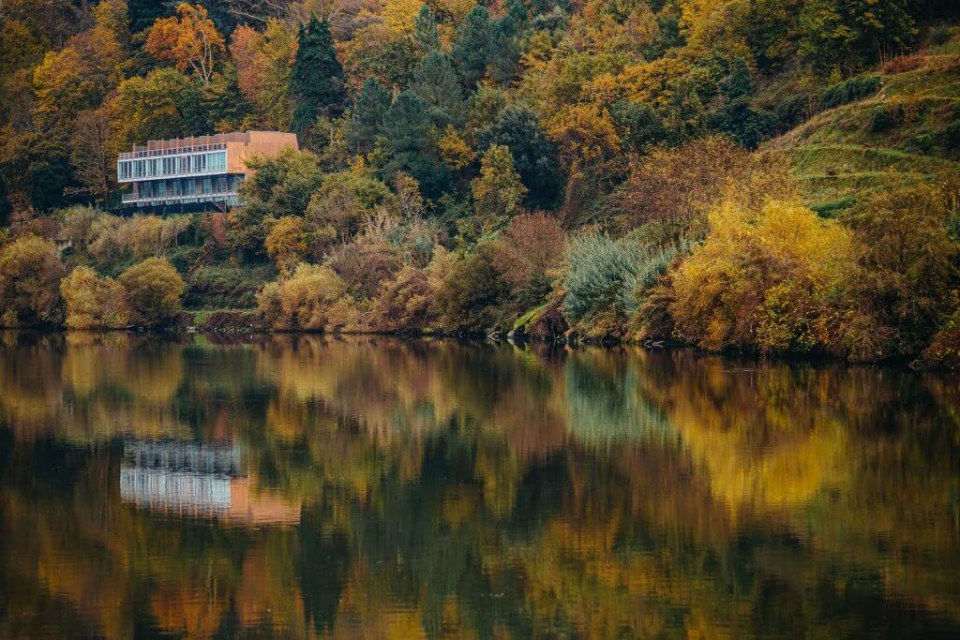
Today’s family farms that welcome tourist guests were once the homes of wealthy and influential families in the region. Today, they are part of the architectural heritage for their majestic beauty.
Although the vines are the ex-libris of this region, the landscape is rich and varied in native species. We can find strawberry trees, cork oaks, and deciduous oaks that blend with shrubs such as cistus, heather and lavender. The ecosystem is balanced by the harmony of species of fauna, some rare and protected, such as the roe deer, the wild boar, Bonelli’s eagle, the griffon vulture, the crow and many others.
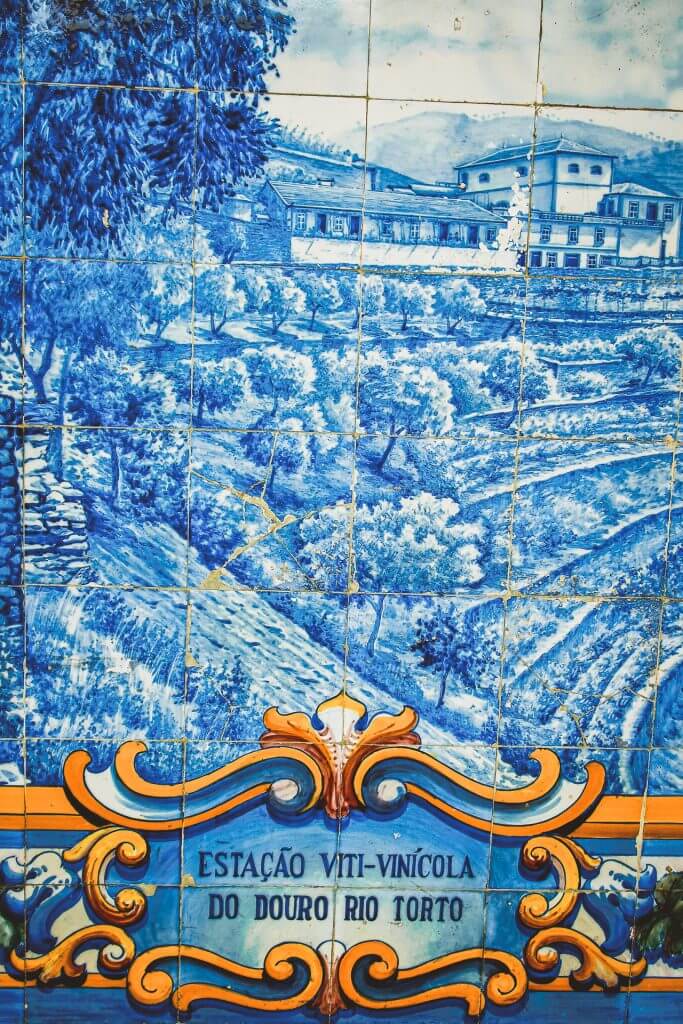
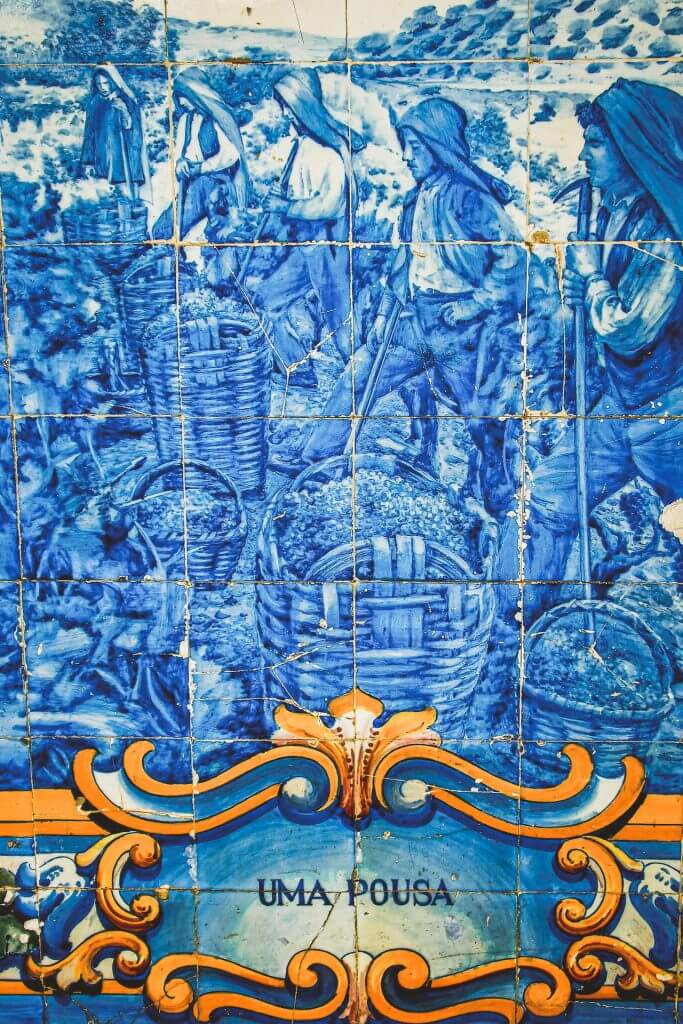
Types of wines grown in the Douro wine region
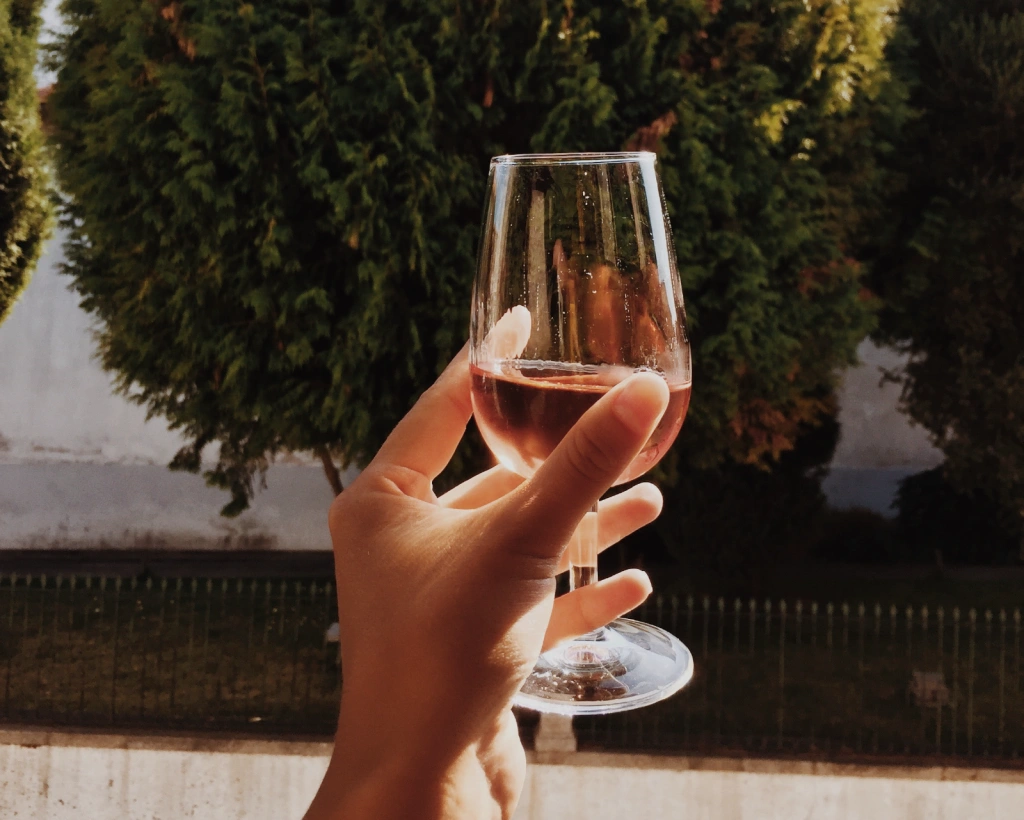
The wines produced here, given all the conditions, are more fortified wines, where the ex-libris of the region, Port wine, stands out. However, despite this product’s fame, excellent quality red, white and rosé wines are also produced. Some of the most expensive wines in the world are from the Douro region.
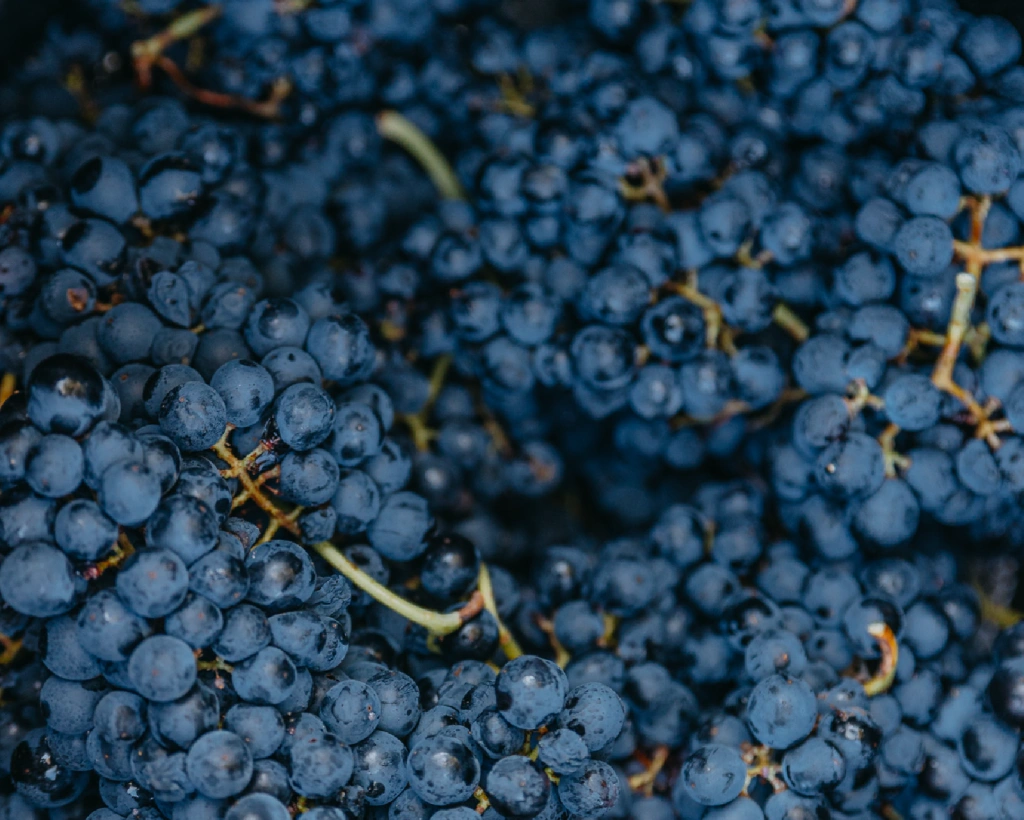
In this region, something a little different from the usual happens. In many wine-growing areas around the world, we find few grape varieties. In the Douro, they are immense! A single wine may have several grape varieties! However, among the most well-known ones, we find: 𝗧𝗼𝘂𝗿𝗶𝗴𝗮 𝗡𝗮𝗰𝗶𝗼𝗻𝗮𝗹, 𝗧𝗼𝘂𝗿𝗶𝗴𝗮 𝗙𝗿𝗮𝗻𝗰𝗮, 𝗧𝗶𝗻𝘁𝗮 𝗥𝗼𝗿𝗶𝘇, 𝗠𝗮𝗹𝘃𝗮𝘀𝗶𝗮 𝗙𝗶𝗻𝗮 𝗮𝗻𝗱 𝗩𝗶𝗼𝘀𝗶𝗻𝗵𝗼.
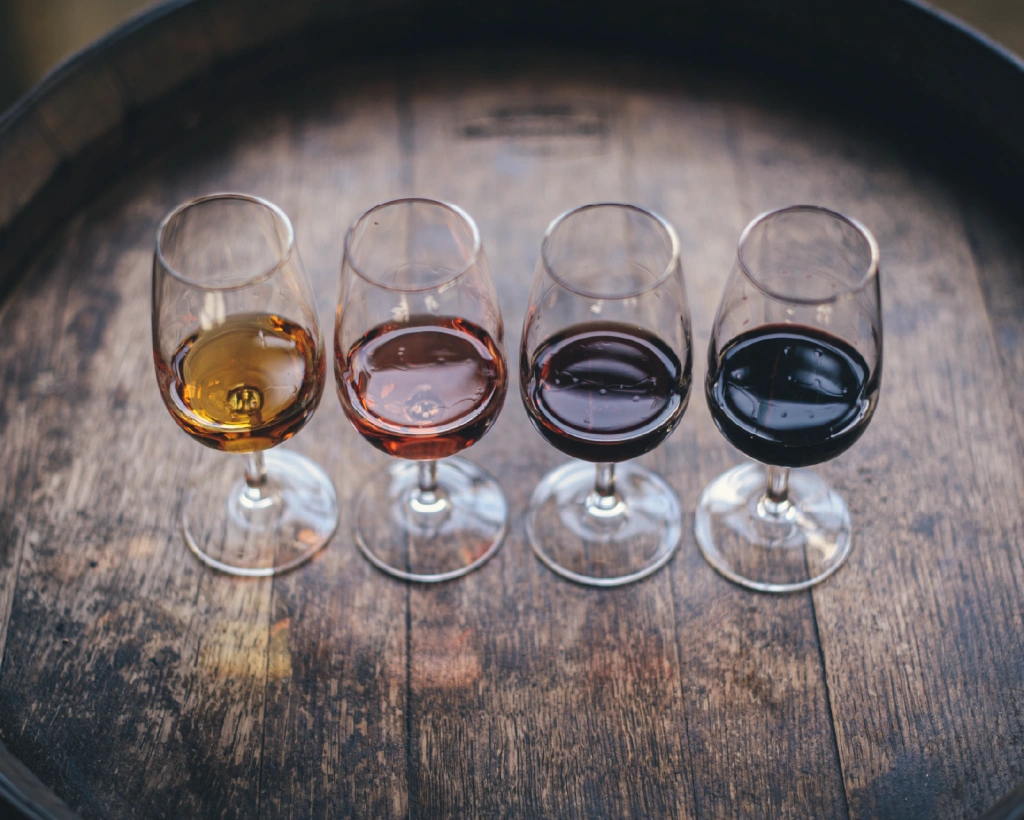
So, why are these Douro Wines and Porto Wines an ex-libris?
Port wine is a fortified wine, usually sweet, and its manufacturing process includes stopping the must’s fermentation by adding grape brandy (benefício or “brandy”), blending and ageing.
Must is a sugary mixture intended for the alcoholic fermentation of wine. It is the juice of fresh grapes used before the fermentation process. Blending the wine is a kind of tasting. In this phase, tests are made, which are very important for the wine’s final quality.
Ageing is when the wine rests until the long-awaited moment of consumption. There are two ways of ageing: in bottles or in wooden barrels. In the latter case, the wood chosen plays a very important role in the wine’s flavour and aroma.
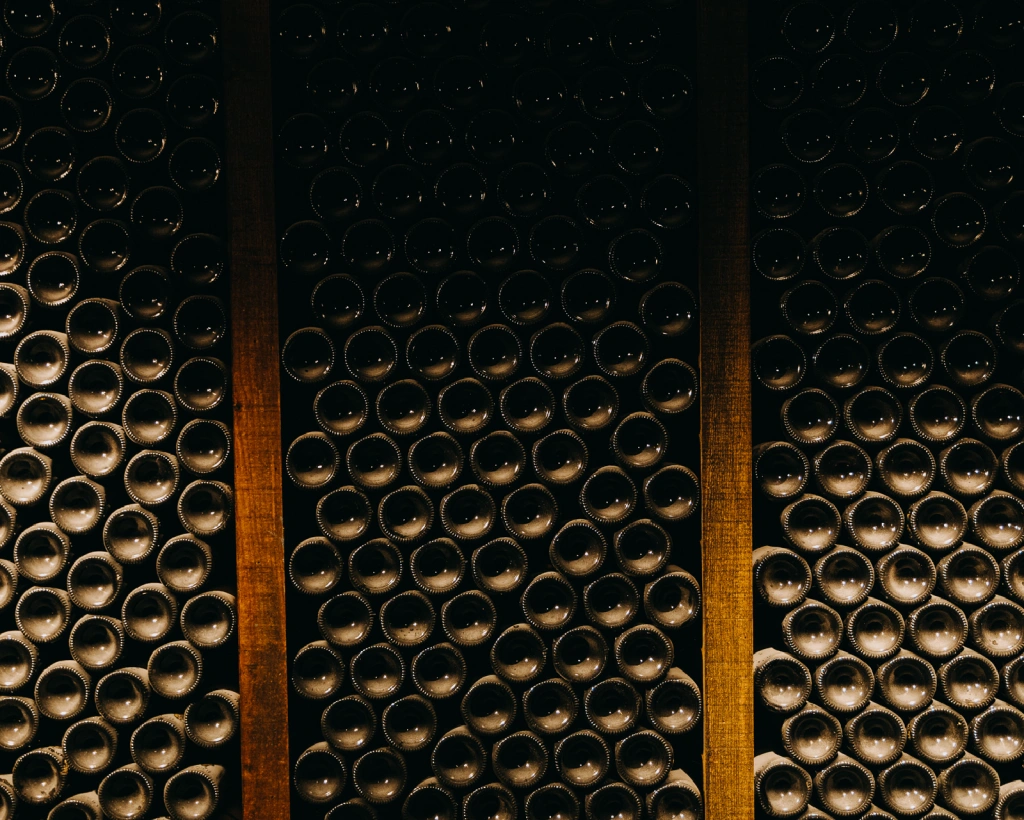
For all these reasons, Port wine may be classified as (information taken from the book “Douro, viagens e histórias” ):
Vintage
Vintage is a wine of excellence and comes from only one harvest. The declaration of vintage is only made in years of exceptional quality. The wine is aged for a maximum of 3 years in a cask and then ages in the bottle for 40 years or more. It does not go through a filtering process during its bottling. Hence, when the bottle is opened, the wine oxidises quickly and should be consumed within 48 hours.
𝗟𝗕𝗩
Late Bottled Vintage wines are similar in appearance to Ruby red wines and are produced from a single, high-quality harvest. Before being bottled, they are aged in wood for 4 to 6 years. LBV wines can be drunk immediately after bottling and may also be aged in bottles.
𝗥𝘂𝗯𝘆
Wine whose colour resembles the precious ruby stone because it has an ageing process with little or no oxidation (usually up to 3 years in wooden barrels). It is a young wine, rich in aromas reminiscent of red fruits, full-bodied and with a strong flavour.
𝗧𝗮𝘄𝗻𝘆
Obtained by the blend of several lots of wines with ageing carried out in casks or wooden casks. This wine presents an evolution in its colour, becoming lighter as it ages. Its aromas are reminiscent of nuts and wood. The existing categories are: Tawny, Tawny Reserve, Tawny with an Indication of Age (10 years, 20 years, 30 years and 40 years) and Harvest. These are blends of wines from several years, except for Colheita, similar to Tawny with an Indication of Age with the same ageing time.
White
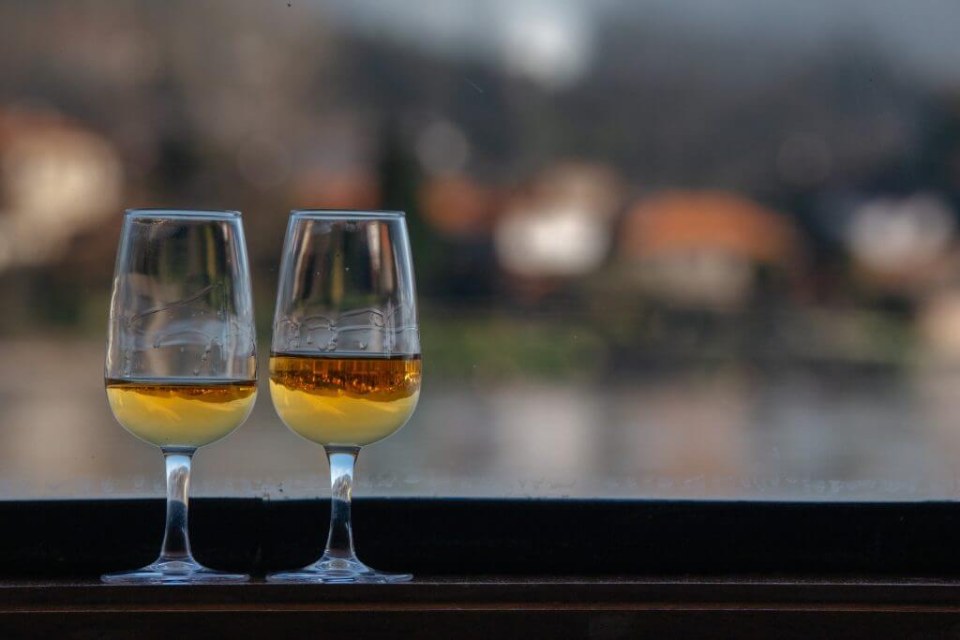
White Port Wine is the only one that can be classified according to its sweetness, which results from how it is made. There are dry, medium-dry and sweet whites, also known as Lágrima. White Port has a lower alcohol content with a minimum of 16.5° C.
There are Port wines for all tastes; any occasion is good to celebrate with this wine.
A Unique Experience at the Douro Valley
When we decided to explore this part of Portugal, we wanted something different from what had already been done. Everything good attracts many people, so there are many group boat trips, massive farms to welcome tourists, etc.
But those who seek always find! We manage to create unforgettable experiences that are tailor-made, totally private, and with the best partners.
It is much more than a boat trip.
It is much more than a wine tasting in cellars.
It is much more than a walk.
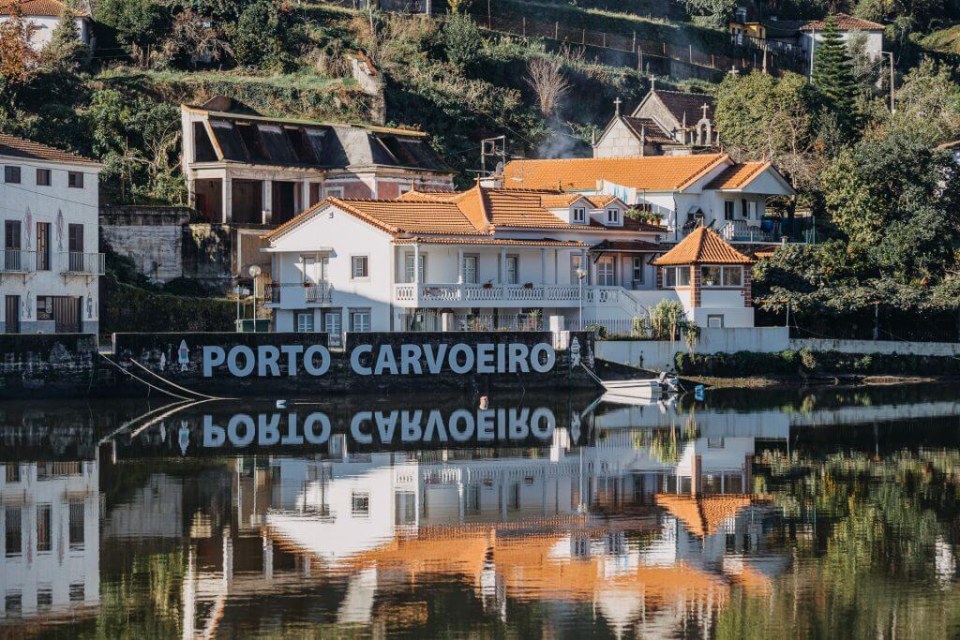
These experiences allow you to see the Douro Valley from different perspectives. A trip on a private yacht, where we see hillsides full of colour, and we realise how nature and Man connect and complement each other. No matter how many vines you see, they all look different. The landscape never tires.
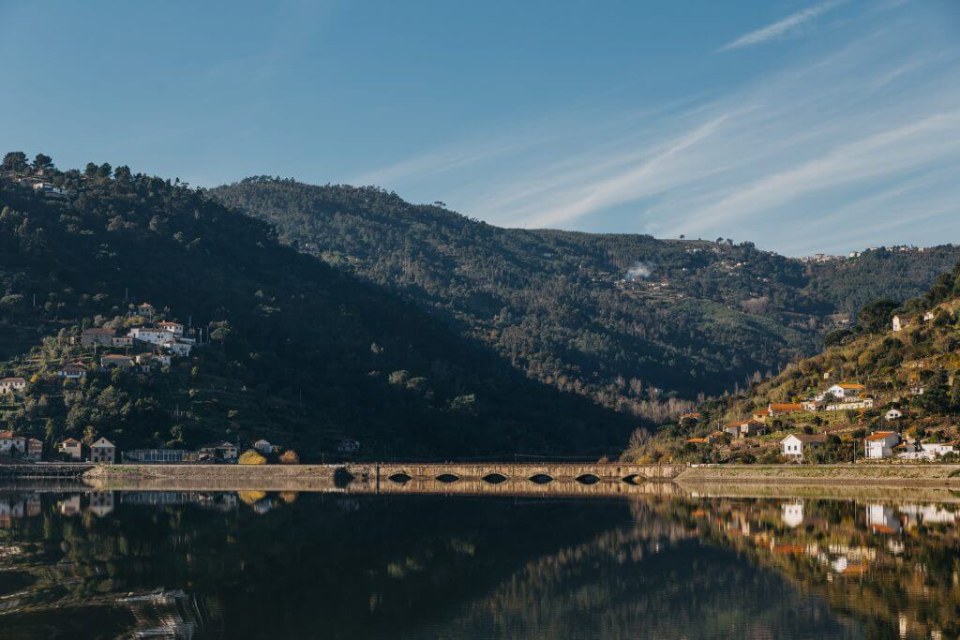
On the other hand, walking through the vineyards allows us to contemplate the majestic Douro River. It is big, strong, imposing and makes us feel small.
These different perspectives show how all the landscapes differ in colour, textures, smells, and patterns. Although the vines predominance, each view is different.
The landscape of the Valley is rich and wonderful
The people are friendly and charming. We feel the welcome is humble and simple but with a love like no other. These are people who carry the Douro in their hearts. They are people who are proud of their origins and share them with this love and charm.
We left the Douro Valley without words. We can hardly describe what we saw, what we lived, or what we experienced. We left the Douro with our hearts full and the thirst to return more often.
No matter how many places you visit in the world, none is like the Douro.
Do you want to visit the Douro Valley?
We prepare private and customised trips so you can have incredible experiences in this region of Portugal.
What experiences can you have with SóPraSi?
Gastronomic, cultural, and heritage experiences are full of refinement! You will have a different experience, discovering new and lesser-known things, allowing you to escape the crowd!
Here are some examples of rich and educational experiences in the Douro Valley:
- You could go on a guided private tour for about 3 hours with our passionate and fascinating local partner, discovering the landscapes and traditions of the Douro Valley, a unique valley in the world! This experience will teach you about history, traditions, and local customs.
- You can also admire the breathtaking landscapes and magical viewpoints of the Douro Valley! You will finish with a visit to a small family vineyard, followed by a tasting of their products and a picnic with regional products.
- You could also put yourself “in the shoes” of an oenologist during a private and guided tour of a small family vineyard. During this experience, you will learn to differentiate grape varieties by their leaves, hue, and grape taste and taste the nectars at different stages of maturation. The passion and love passed down from generation to generation to create these delicious nectars will no longer hold any secrets for you!
Don’t wait any longer! Contact us to organise your trip to the Douro Valley!