

Since 1976 until today, there are 13 natural parks in Portugal (Continental).
Portugal is a privileged country in its great diversity of natural landscapes, ranging from high mountains to fabulous beaches. These areas have been designated natural parks to protect their unique ecosystems and heritage.
They are situated in mountainous areas, on plateaus, by steep cliffs, or in estuaries, making each one unique.
Discover these natural parks in Portugal
Each park is unique due to many factors, including the altitude, the type of soil, the sun exposure, the proximity to the sea, and the abundance of water. So, no two parks are alike!
These are 13 Natural Parks in mainland Portugal, spread from north to south, from the coast to the Spanish border:
North Region
- Douro International Natural Park
- Montesinho Natural Park
- Natural Park of Peneda-Gerês
- Serra do Alvão Natural Park
- Northern coast
Centre Region
- Serra da Estrela Natural Park
- Serras de Aire and Candeeiros Natural Park
- International Tagus Natural Park
Lisboa e Vale do Tejo Region
- Serra da Arrábida Natural Park
- Sintra-Cascais Natural Park
Alentejo Region
- Southwest Alentejano and Vicentine Coast
- Guadiana Valley Natural Park
Algarve Region
- Ria Formosa Natural Park
International Douro Natural Park
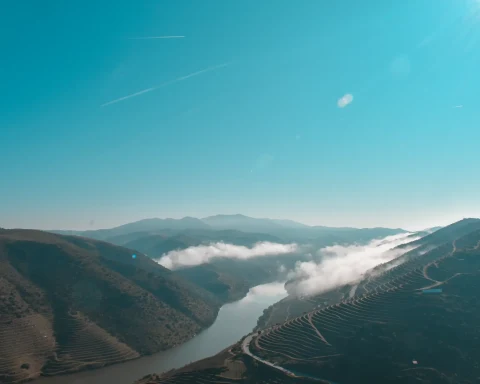
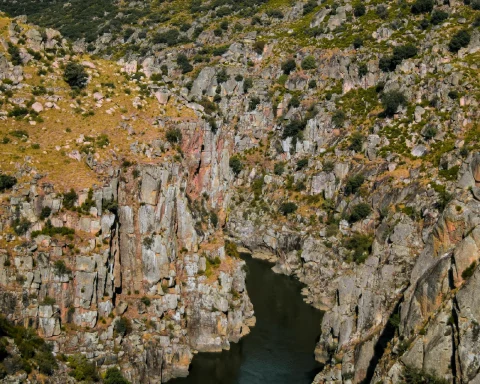
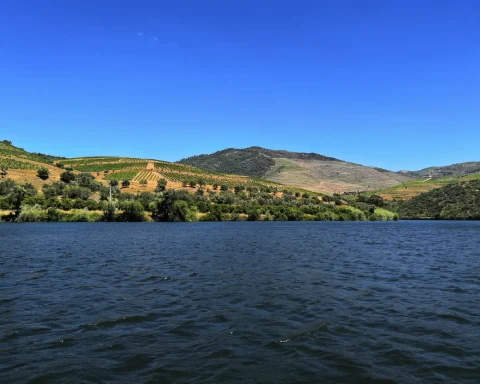
A protected area situated on the border between Portugal and Spain, extending along about 85 kilometres of the Douro River. It was created in 1998 with the aim of preserving the biodiversity and unique ecosystems of this region.
With a hilly and rugged landscape, this natural park is characterised by a wide diversity of habitats, including oak and pine forests, as well as cultivated and grazing areas. These favourable conditions provide a wide variety of flora and fauna species, some of them quite rare and endangered.
In addition to its importance from a nature conservation point of view, the International Douro Natural Park also has enormous scenic and cultural value. The region is known for its terraced vineyards, which produce some of Portugal’s most famous wines, such as Port Wine. Along the river, one can find several historical villages that preserve a rich cultural and architectural heritage.
Its richness and diversity make it a unique destination for nature, history and culture lovers.
Montesinho Natural Park
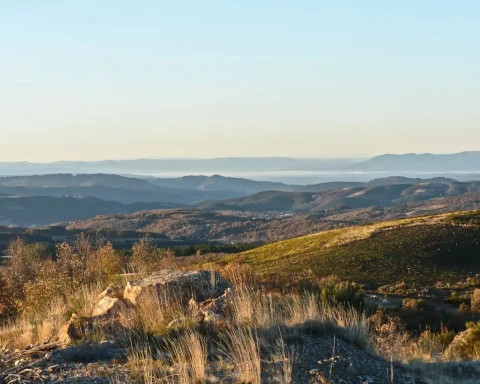
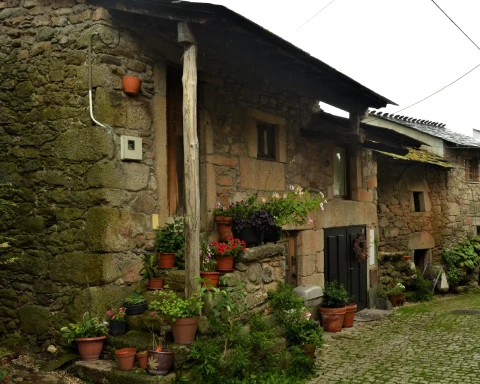
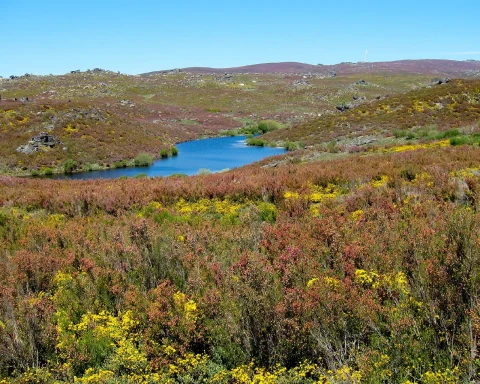
This protected area, covering about 74,000 hectares, is located in the northeast of Portugal. Founded in 1979, it is characterized by a great diversity of natural habitats, including forests, rivers, lakes, plateaus, and mountains, which make it a real natural treasure.
The flora and fauna of Montesinho Natural Park are very diverse and rich. It is home to a wide range of species, some of them rare and endangered, such as the Iberian wolf, the golden eagle, the black stork, and the European otter.
The park also offers numerous recreational and educational activities, such as hiking and bird watching. Several marked trails allow visitors to explore the natural landscape, admire the stunning views, and learn more about the local history and culture.
In addition, Montesinho Natural Park is also known for its traditional gastronomy, with dishes such as pasta Miranda, smoked ham, goat cheese, and wine. Several restaurants and wineries in the region offer these delicacies.
Peneda-Gerês National Park
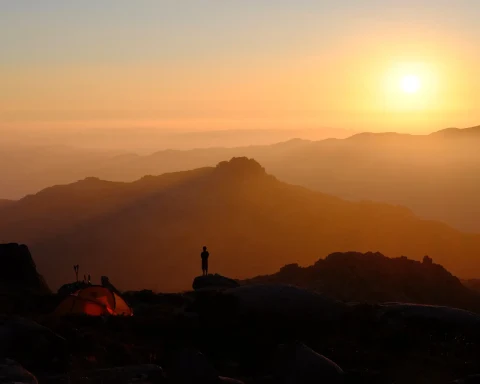
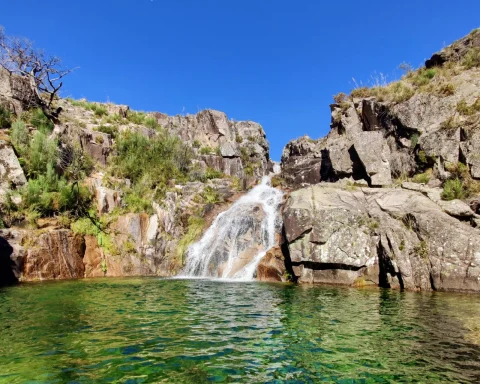
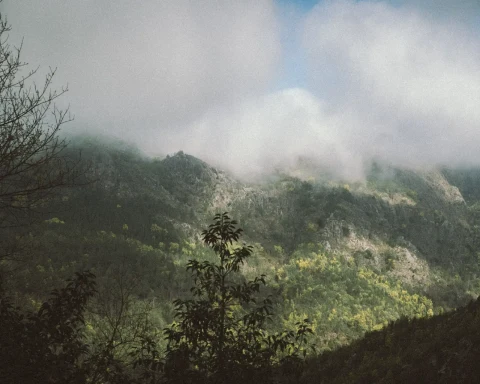
Besides these absolutely incredible natural parks, Portugal has only one National Park! The Peneda-Gerês National Park, located in the north of Portugal, is of indescribable beauty. It is the only national park in the country and covers an area of approximately 70,290 hectares, stretching over several regions, such as Minho, Trás-os-Montes and Alto Douro.
This stunning park is a true paradise for nature lovers, offering an impressive variety of landscapes and ecosystems. Here, visitors can explore towering mountains, deep valleys, stunning waterfalls, serene rivers and lush vegetation. Its natural diversity is one of the reasons why it has been classified as a UNESCO World Biosphere Reserve.
One of the most remarkable features of the Peneda-Gerês National Park is its wildlife. This is home to several species of animals, including the Iberian wolf, roe deer, wild boar, garrano (a type of wild horse) and a wide variety of birds. Birdwatching enthusiasts will be delighted with the opportunity to spot so many species.
Besides its natural beauty, the Peneda-Gerês National Park is also rich in cultural and historical heritage. Here, it is possible to find traditional villages, with stone houses and narrow streets, where time seems to have stood still. Visitors can explore local traditions, try the region’s typical gastronomy and discover traces of ancient occupations.
Within the park, there are numerous hiking trails that allow visitors to explore and fully enjoy its beauty. From easy and accessible trails to more challenging routes. The absolute highlight is the mythical “Roman Geira”, an ancient Roman path that runs through the park and offers stunning panoramic views.
The Peneda-Gerês National Park is a must-visit destination for those seeking a unique experience in nature. Whether you want to go hiking, watch wild animals, relax by the refreshing waterfalls or simply enjoy the serenity of this landscape, this national park does not disappoint.
Alvão Natural Park
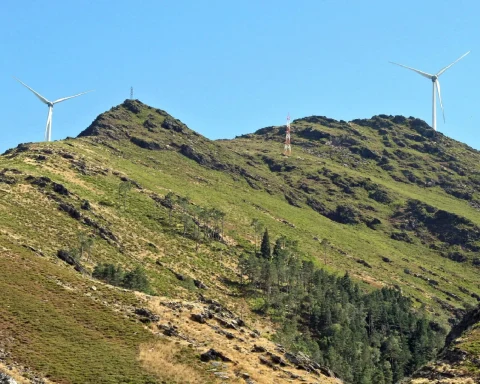
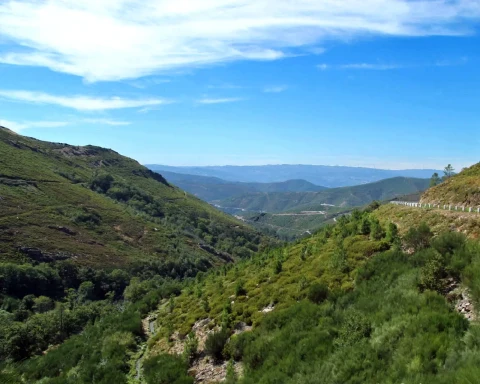
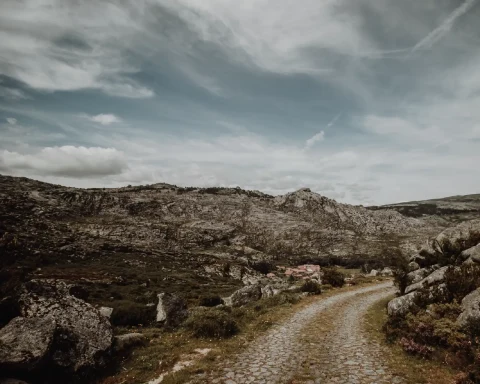
The Alvão Natural Park is a hidden treasure in the heart of Portugal. Located in the Trás-os-Montes region, this park is characterised by stunning natural beauty, with mountains, valleys and crystal clear rivers painting the landscape.
Covering an area of over 7,000 hectares, the Alvão Natural Park offers visitors a wide range of outdoor activities. Nature lovers can explore trails, climbing and cycling, while history buffs can visit the megalithic monuments and Roman ruins that dot the landscape.
The park is also an important habitat for a variety of animal species, including the rare European otter, which can be found in the park’s rivers and streams.
One of the main attractions of the Alvão Natural Park is the Fisgas do Ermelo waterfall, one of the most impressive in the country. With a drop of over 200 metres, this waterfall is stunning and well worth the walk to get there.
For those looking for a more relaxing experience, the park has several picnic areas and leisure zones where you can simply enjoy the scenery and fresh air.
The Alvão Natural Park is a perfect destination for those who want to escape urban life and enjoy the natural beauty of the Portuguese countryside.
North Coast Natural Park
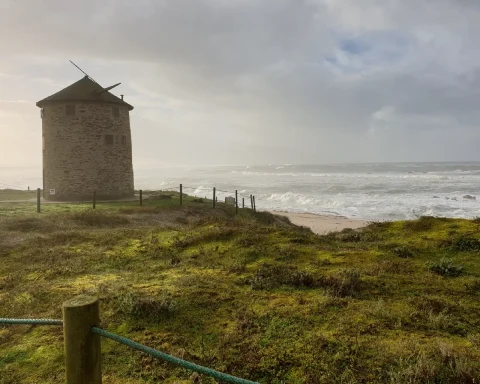
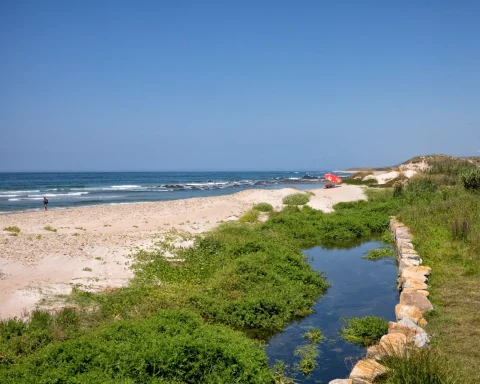
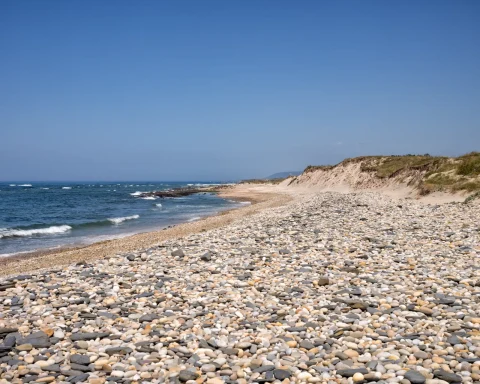
Portugal’s Litoral Norte Natural Park is one of the country’s most important protected areas. Located in the northern region, the park covers 70 km of Atlantic coastline and a land area of around 40,000 hectares.
With a wide variety of natural habitats, from coastal dunes to pine forests and rugged mountains, the Parque Natural do Litoral Norte is a place of great interest for nature lovers. It is home to a great diversity of animal and plant species, many of which are endangered.
In addition to its ecological value, the park has great cultural and historical value. Several local communities have their roots in this region, and traces of their presence can still be found today in old water mills and stone houses.
The park offers numerous outdoor activities, including hiking, cycling, boating and bird watching. There are also several hidden beaches and coves for visitors to enjoy. Environmental education and awareness raising is also an important part of the work carried out in the park, with various initiatives and programmes to involve local people and visitors.
Serra da Estrela Natural Park
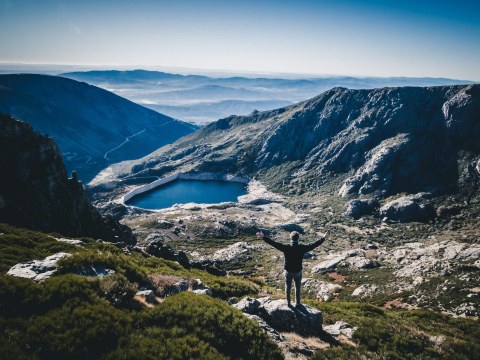
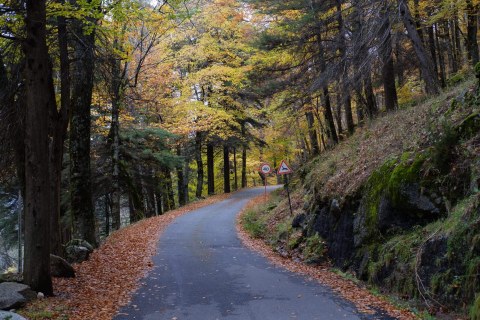
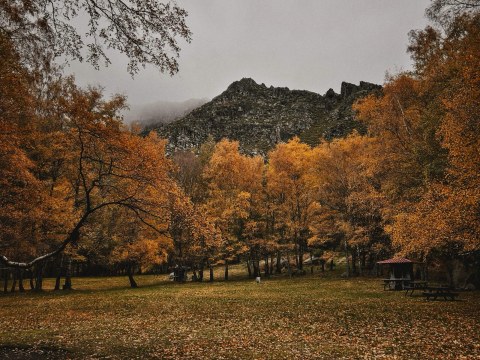
It is one of the most beautiful and impressive natural areas in Portugal. Located in the country’s central region, it covers an area of approximately 101,000 hectares. It includes the highest mountain in mainland Portugal, Serra da Estrela, with an altitude of 1,993 metres.
The park is characterised by a mountain landscape of great beauty, with glacial valleys and lakes, crystal-clear streams, pine, oak and chestnut forests, and very diverse fauna and flora.
In winter, Serra da Estrela is a popular destination for lovers of winter sports, thanks to its ski and snowboard runs. In summer, the park is an excellent place for hiking, camping, adventure activities such as climbing and canoeing, and enjoying a natural environment of great beauty.
The park is also known for its gastronomy, especially the famous Serra cheese, which has a unique and intense flavour. Visitors can also try other typical dishes of the region, such as roast lamb, cozido à portuguesa (Portuguese stew) and bean rice with meat.
With so many natural and cultural attractions, the Serra da Estrela Natural Park is a must-see destination for anyone visiting Portugal who wishes to explore the country’s natural and cultural wealth.
Serras de Aire e Candeeiros Natural Park
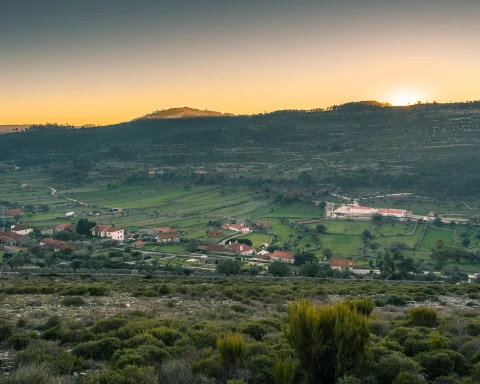
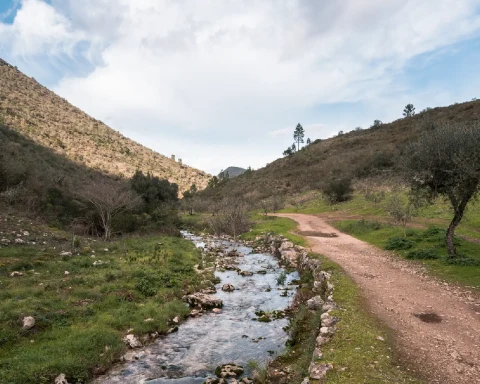
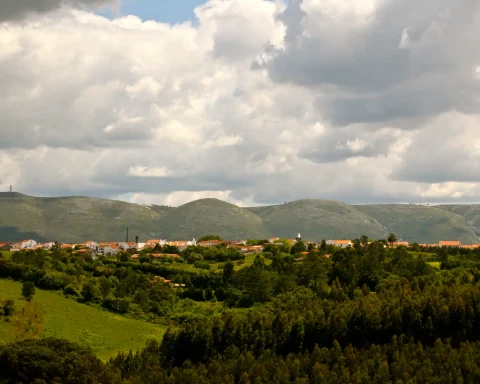
The Serras de Aire e Candeeiros Natural Park is a protected area located in central Portugal, covering the municipalities of Porto de Mós, Alcanena, Rio Maior and Ourém. With an extension of about 38 thousand hectares, it is one of the largest natural parks in the country and is a natural treasure of great ecological and landscape importance.
The park is characterised by limestone mountains, which form a very rugged and impressive relief. Its landscapes are unique, with rock formations, caves and caverns, lakes and springs. The fauna and flora are equally outstanding, with unique species of animals and plants adapted to the specific climate and soil conditions.
The Serras de Aire e Candeeiros Natural Park is a paradise for lovers of nature and outdoor activities. There are several hiking trails and mountain bike routes that allow visitors to explore the mountains and discover their rich biodiversity. In addition, there are also several tourist activities available, such as horse riding, climbing, caving and bird watching.
Besides its natural importance, the Serras de Aire e Candeeiros Natural Park is also a place of great cultural and historical value. In the area of the park, there are several picturesque villages with a very rich architectural and cultural heritage, as well as archaeological remains of human presence since prehistoric times.
In short, the Serras de Aire e Candeeiros Natural Park is a natural and cultural treasure that deserves to be visited and preserved. Its rich biodiversity, impressive landscapes and outdoor activities make this park an unmissable destination for all those who appreciate nature and culture.
Internacional Tejo Natural Park
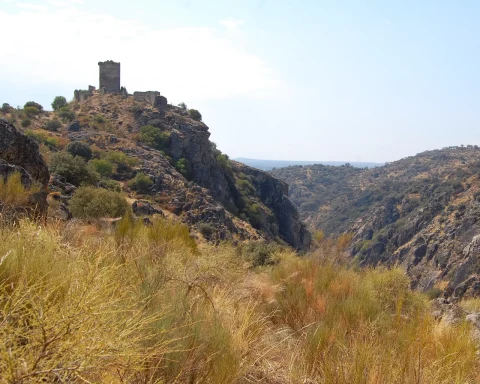
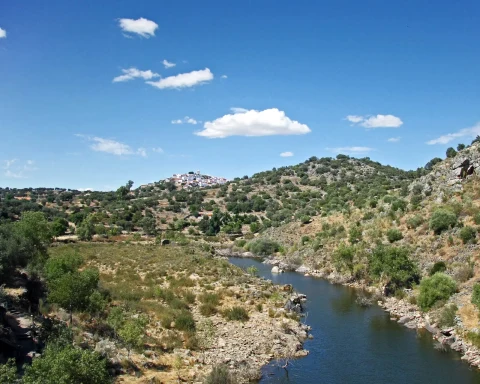
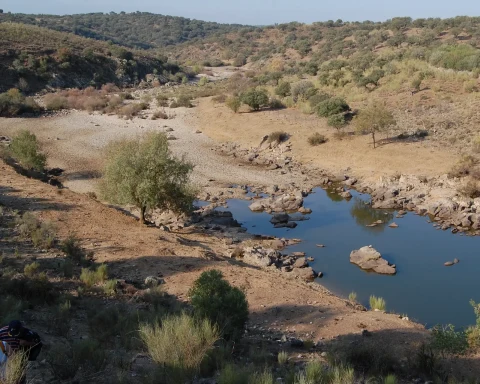
The International Tagus Natural Park has a great natural beauty, located on the border with Spain. This park covers an area of 26,484 hectares, protecting a wide variety of animal and plant species.
The Tagus River is the heart of the park, dividing it into two banks and providing a unique habitat for a wide variety of water birds, including the black stork, the black vulture and the mallard duck. In addition, the park is home to several species of fish, amphibians, reptiles and mammals, such as otters, ginets and wild boar.
The natural park is also an important tourist destination, offering a range of outdoor activities. The village of Almourol, with its medieval castle, is one of the most popular tourist spots in the region.
The Tejo Internacional Natural Park is an important natural and cultural heritage of the country, and has been protected and preserved thanks to the joint efforts of several local and national entities.
Arrábida Natural Park
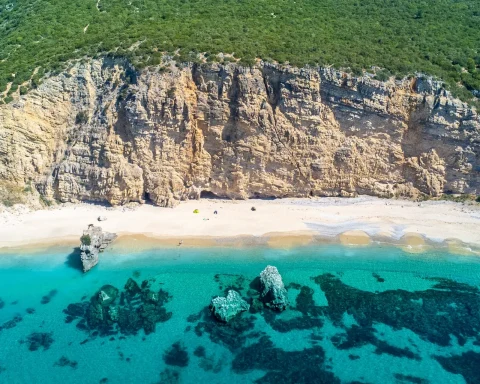
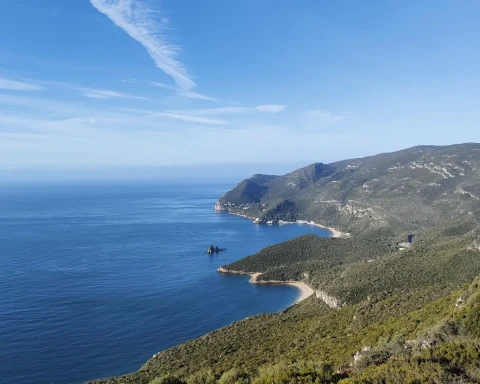
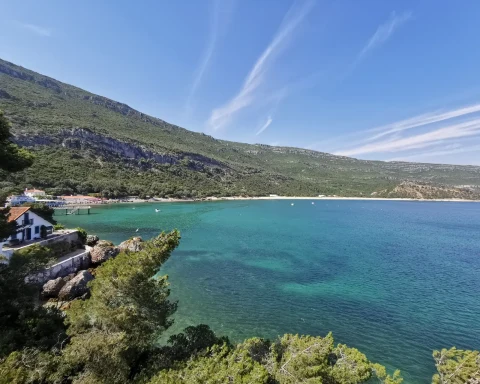
One of the most beautiful natural areas in Portugal. Located in the Setúbal region, about 50 km from Lisbon, the park covers an area of about 10,800 hectares, where some of the rarest ecosystems of the country can be found.
This natural park is famous for its limestone cliffs that descend into the sea, forming coves and beaches with crystal clear water, such as Galapinhos Beach, voted the best beach in Europe in 2017. The Mediterranean vegetation, with cork oaks, holm oaks, arbutus trees, among other species, is also one of the strong points of this natural park.
Arrábida is a wildlife sanctuary, with a wide variety of animal species, including birds of prey, such as Bonelli’s eagle, and animals such as the fox, gineta, badger and wild boar.
Visitors can enjoy various activities in the park, such as hiking, cycling, climbing and diving. The park has a vast network of walking trails, which allow visitors to explore the region and contemplate its natural beauty.
Arrábida is rich in cultural heritage and enjoys natural beauty. Historical sites such as the Arrábida Convent and the Palmela Castle offer spectacular panoramic views of the surrounding landscape.
Sintra-Cascais Natural Park
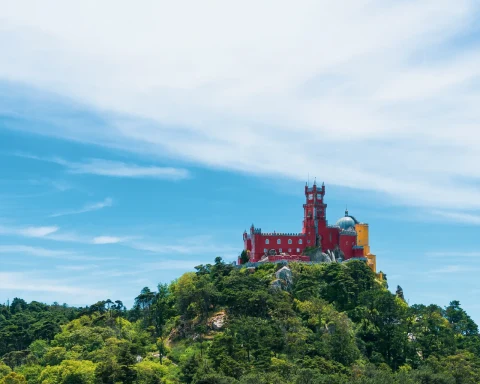
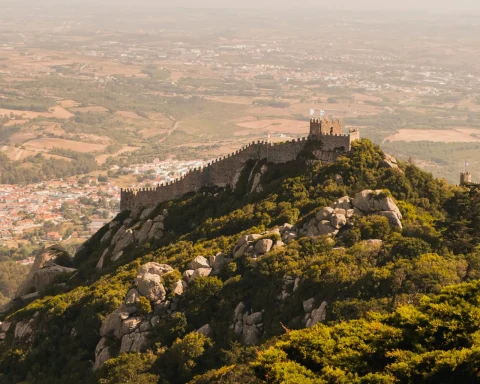
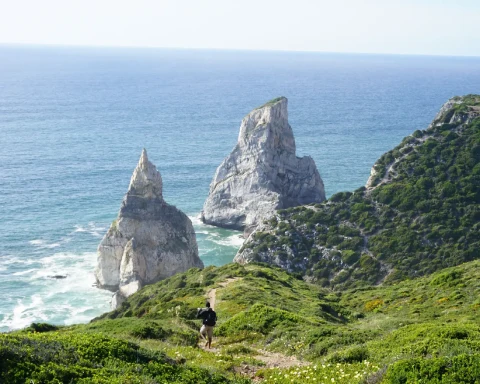
The Sintra-Cascais Natural Park is a place of unparalleled beauty located on the west coast of Portugal. Covering an area of over 14,000 hectares, this natural park is one of the country’s main protected areas and was classified as a Biosphere Reserve by UNESCO in 2011.
The natural park is made up of a number of unique ecosystems, including forests, coastal dunes, beaches and cliffs. The vegetation is diverse, with species such as oaks, pines and holly, as well as a wide variety of wildflowers and endemic plants.
The Sintra-Cascais Natural Park is also a popular destination for walking and cycling. There are several well-marked walking routes that allow visitors to explore the natural beauty of the park, including the Serra de Sintra and its historic villages, such as Colares and Azenhas do Mar.
In addition to nature, the park is home to several historical monuments, such as the Pena National Palace, the Moorish Castle and the Capuchins Convent, which are obligatory stops for those visiting the region.
With its stunning landscape and rich history, this park is one of the most beautiful places in Portugal and a must-see destination for those who love nature and history.
Southwest Alentejo and Vicentine Coast Natural Park
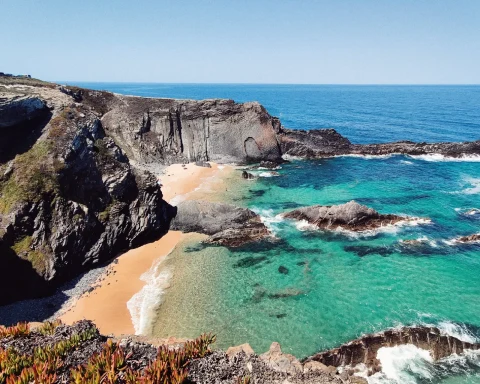
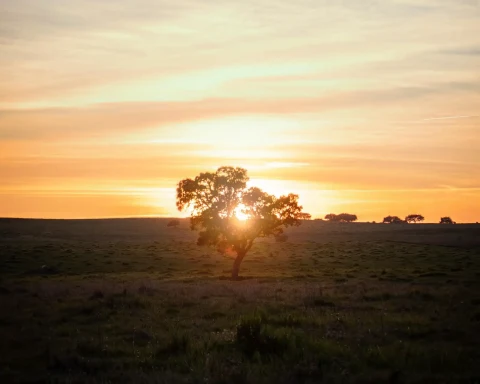
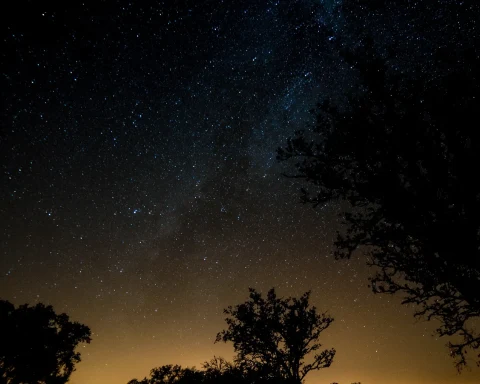
The Southwest Alentejo and Vicentine Coast Natural Park is a protected area of great ecological and landscape importance in Portugal. Situated on the southwest coast of the country, it covers an area of about 110 thousand hectares, stretching from Ribeira de Seixe, in the north, to Cape S. Vicente, in the south.
This natural park is characterised by an enormous diversity of natural habitats, from the rocky cliffs of the coast to the plains of the Alentejo, including scrubland, dunes and lagoons. These habitats are home to a wide variety of animal and plant species.
The Costa Vicentina is one of the highlights of the natural park, with its wild beaches and stunning scenery. Many of the beaches are accessible only on foot, which contributes to their preservation and natural beauty. Fishing is still an important activity along the coast, and many fishing communities maintain their traditional traditions and lifestyles.
The nature park is also a popular destination for hikers, cyclists and other outdoor enthusiasts. There are numerous routes and trails that cross it, offering magnificent views of the landscape and opportunities for wildlife observation.
The preservation and protection of the Southwest Alentejo and Vicentine Coast Natural Park is a responsibility shared by all. It is important to ensure that human activities such as tourism, fishing and agriculture are carried out in a sustainable way and with respect for nature. Through education and awareness-raising, we can ensure that this unique and special area continues to be preserved for future generations.
Guadiana Valley Natural Park
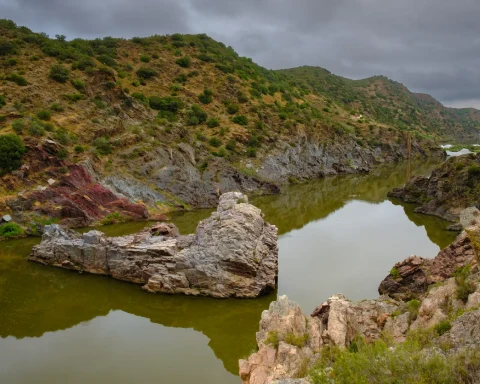
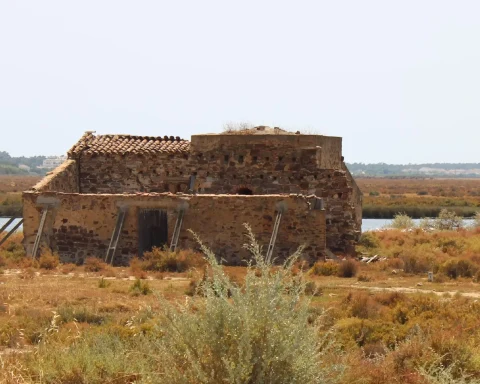
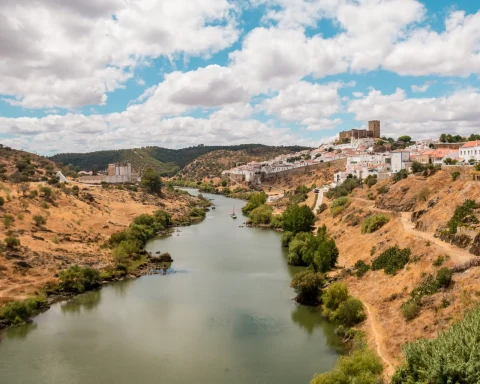
The Guadiana Valley Natural Park is a protected area of great ecological importance located in the south of Portugal. With an area of about 69,000 hectares, the park covers a vast area of the Guadiana river valley, which is the largest river in the south of the Iberian Peninsula.
The natural park is characterised by a wide diversity of habitats including holm and cork forests, Mediterranean scrubland, wetlands and river systems.
Among the most notable animal species found in the park are the Iberian lynx, the black stork, the Iberian imperial eagle, the greater mouse bat, the Montagu’s harrier, the European otter and the water mole.
In addition to its natural wealth, the park is also an important cultural heritage site, with traces of human occupation dating back to prehistoric times. Among the most outstanding cultural attractions are the Roman ruins of São Cucufate, the castles of Mértola and Castro Verde, and the Moorish fortresses of Serpa and Moura.
In short, the Guadiana Valley Natural Park is a priceless natural and cultural treasure that offers visitors the opportunity to discover the beauty and diversity of the Alentejo region.
Ria Formosa Natural Park
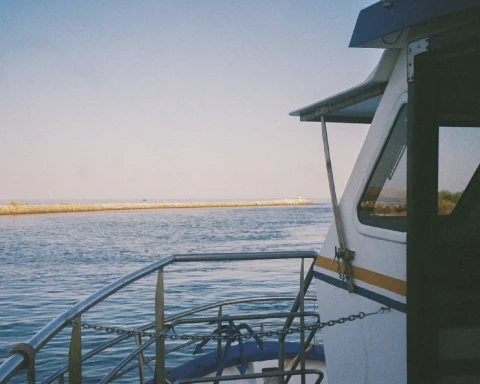
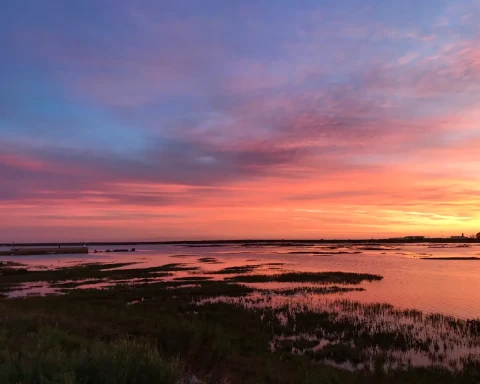
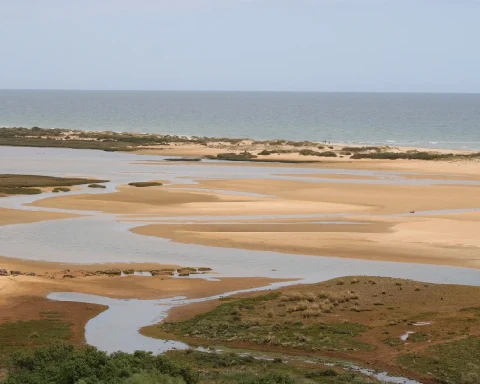
This is one of Portugal’s most precious natural jewels. Located on the southern coast of the country, between the cities of Faro and Tavira, this park protects an extensive area of lagoons, channels, dunes and islands, which form a unique and diverse ecosystem.
The biological wealth of the Ria Formosa is impressive, with hundreds of species of birds, fish, molluscs and other animals, many of which are endemic to the region. The natural landscape is incomparably beautiful, with a succession of white sandy beaches, quiet coves, lush wild islets.
But the Ria Formosa Natural Park is much more than just a tourist destination. It plays a crucial role in preserving biodiversity and protecting Portugal’s coastline from human development and climate change threats. Visitors must respect the park’s rules and regulations to ensure its sustainability and longevity.
Boat trips are one of the best ways to explore the Ria Formosa, allowing visitors to appreciate the wildlife and natural landscape in all its splendour. Also, hiking and biking trails provide a closer nature experience.
The Ria Formosa Natural Park is a natural and cultural treasure that all should protect and enjoy. It is a source of beauty, inspiration and knowledge, and a remarkable example of what can be achieved when humans work in harmony with nature.
How about discovering one or more of these Natural Parks in Portugal?
Visiting natural parks in Portugal allows us to get closer to the natural world and local communities, as you find towns, villages, and cities in these beautiful parks.
Moreover, the preservation of these places goes far beyond the protection and conservation of fauna and flora. It is also about people and traditions.
Portugal’s natural parks offer visitors a unique opportunity to experience the beauty of nature while preserving its ecological value. Whether you are a hiker, a nature enthusiast or a history buff, there is something for everyone to enjoy in these stunning natural landscapes.
Want to experience the natural beauty of Portugal?
Share your trip ideas with us, and we will take care of everything!