
Traveling through different regions of Portugal with SóPraSi You have many regions of Portugal to visit and you shouldn’t just stick to one to experience its cultural diversity, rich history, unique gastronomy and stunning natural landscapes.
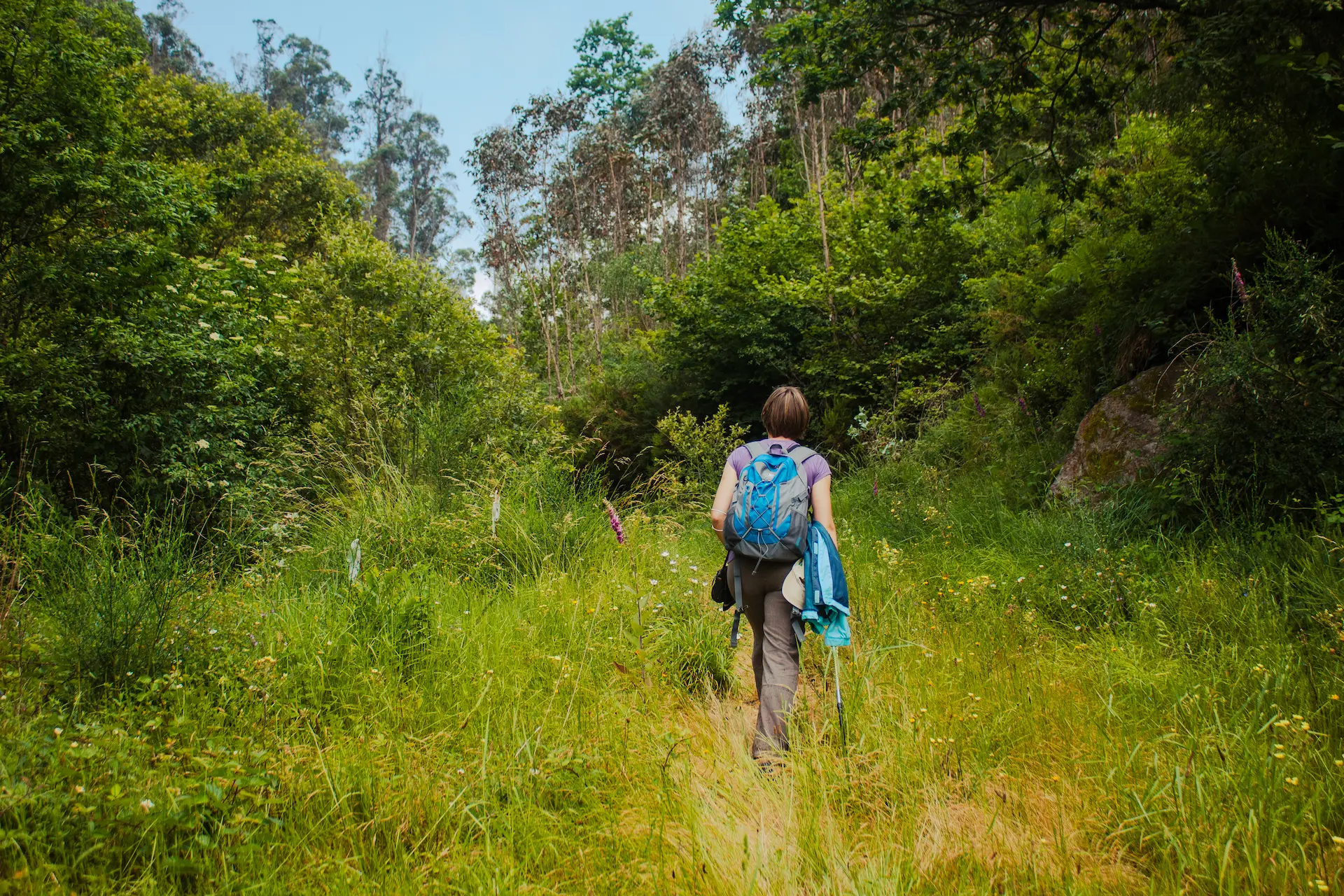
Imagine yourself walking along tracks surrounded by lush green mountains, tasting an authentic wine next to the producer who created it, or listening to fascinating stories from those who live and breathe the place.
In Portugal, every corner has a secret, a legend, a tradition. And with SóPraSi, every trip becomes an authentic experience, rich in human sharing and full of memorable emotions.
Portugal is a country that combines a diversity of natural landscapes with an ancient history alive in castles, monasteries, villages and local traditions. It is a destination that conquers not only for the beauty of its places, but, above all, for the human warmth that is felt in every region, in every encounter, in every experience.
But to truly get to know Portugal, you need to do more than visit tourist attractions. You need to experience it with time, curiosity and the eyes of someone who knows it deeply.
Portugal has been increasingly recognized internationally as a tourist destination of excellence, thanks to its cultural diversity, rich history, unique gastronomy and stunning natural landscapes.
Shall we get to know the different regions of Portugal?
Northern Region of Portugal - Tradition, History and Nature
Northern Portugal is one of the most authentic and culturally rich regions in the country. It offers an impressive combination of history, nature and tradition. Bounded to the North by the River Minho, which marks the natural border with Galicia (Spain), and extending as far as the River Douro, the North is a mountainous and verdant territory, where landscapes of deep valleys, meandering rivers and stone villages predominate.
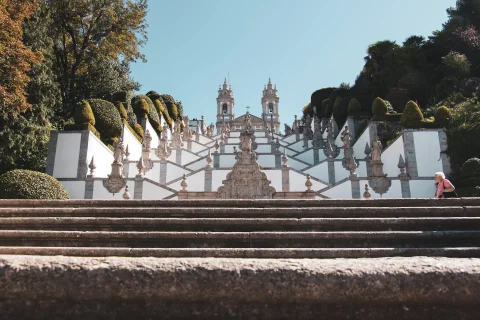
The North enchants with historic cities such as Guimarães, Braga, Viana do Castelo and Porto, where tradition merges with heritage. Historically, this is where Portugal was born. Guimarães is considered the cradle of the nation, having been the stage for decisive events in the foundation of Portuguese identity. Over the centuries, this region has seen the growth of important cities such as Braga, one of the oldest religious centers in Europe, and Porto, a commercial and industrial epicenter with a history marked by its relationship with the Douro River and Port wine.
From a natural point of view, the north is home to some of the country’s most stunning natural parks, such as the Peneda-Gerês National Park – Portugal’s only national park – which is home to a biological and ecological diversity of rare beauty, with ancient trails, crystal-clear waterfalls and unspoiled community villages. Also noteworthy are the Montesinho Natural Park, where rural traditions remain intact, and the Alvão Park, famous for its geological formations and the impressive Fisgas de Ermelo (a waterfall with a drop of over 200 meters).
In terms of gastronomy, the North is a true celebration of robust, traditional flavors. Dishes such as Braga-style cod, cabidela rice, rojões and mirandesa-style steak are part of the local daily routine. But it is in the wines that the region stands out.The Douro is the oldest demarcated region in the world and produces table wines and the world-famous Port wine, aged in the cellars of Vila Nova de Gaia. In the north, the light and refreshing Vinho Verde is produced in centuries-old estates, many of which can be visited with SóPraSi.
Explore what we can offer you in this region.

Porto and the Douro Valley – Unique Culture and Wines
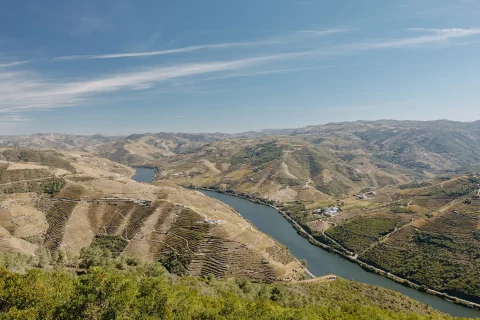
The city of Porto and the valley that goes upstream to the Upper Douro make up one of the most iconic regions of Portugal. The Douro, with its terraced vineyards carved into the mountainsides, is a UNESCO World Heritage Site and one of the world’s oldest and most prestigious demarcated wine regions, established in 1756. Although part of Northern Portugal, Porto and the Douro Valley deserve special recognition due to their remarkable uniqueness.
Geographically, this region unfolds through deep valleys flanked by gravity-defying vineyards. With a climate of hot, dry summers and cold winters, it is perfect for producing bold and structured wines. Located at the estuary of the river, Porto is one of the country’s largest urban centers, where the past and present blend in a vibrant cultural mosaic.
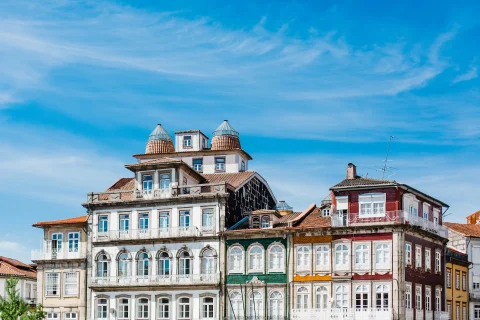
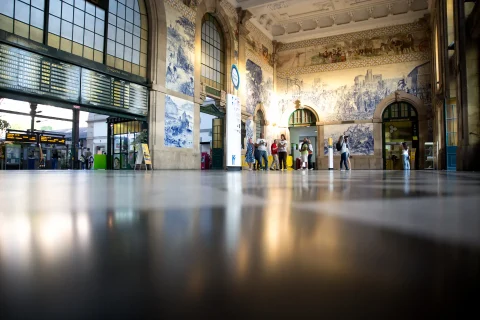
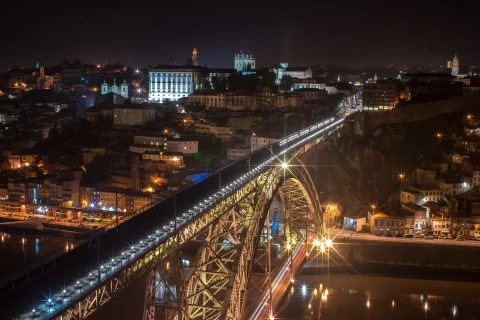
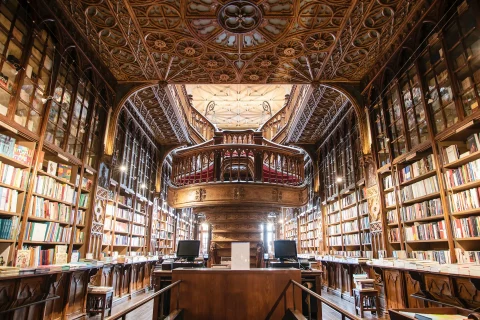
Historically, Porto played a key role in Portugal’s economic development, especially through the export of its namesake wine. The Port wine cellars in Vila Nova de Gaia are living testimony to centuries of winemaking tradition and excellence. Architecturally, the city showcases a captivating mix of medieval, baroque, and contemporary buildings, including highlights like Clérigos Tower, São Bento train station, and the famous Lello Bookstore.
The region’s cuisine is rich and comforting. Signature dishes include the “francesinha” sandwich, tripe à la Porto, roast goat, and a variety of local charcuteries. While Port wine is the undisputed star, the DOC Douro wines also shine with their diversity and quality—ranging from full-bodied reds to crisp, mineral-driven whites.
To sum up, Porto and the Douro Valley offer an irresistible combination of heritage, stunning architecture, and vineyard landscapes recognized by UNESCO.
Discover more about what to explore in Porto
Central Region of Portugal – A Treasure Waiting to Be Discovered
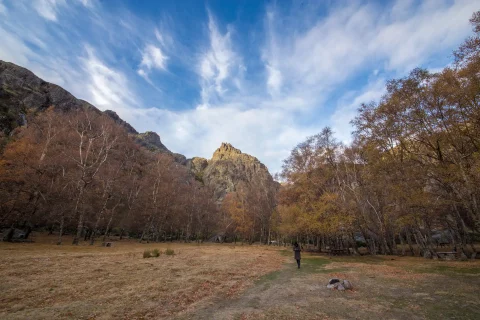
Central Portugal is one of the country’s largest and most geographically diverse regions, stretching from the Atlantic coast to the inland mountains, including Serra da Estrela—the highest peak in mainland Portugal. Its mountainous terrain and rivers, like the Mondego and Zêzere create dramatic landscapes and rich biodiversity.
This region is an open-air museum, home to historic cities such as Coimbra—home to the country’s first university and one of the oldest in Europe—and timeless villages like Piódão, Talasnal, and Monsanto. Medieval fortresses and castles such as Tomar, Trancoso, and Belmonte highlight the area’s long-standing strategic importance.
Nature is omnipresent here, with protected areas such as the Lousã Mountain Range, the Serra da Estrela Natural Park, and the Zêzere Glacier Valley. Hiking trails, hidden waterfalls, and river beaches invite calm, contemplative exploration.
Culinary-wise, Central Portugal is known for its cured sheep cheeses, artisanal sausages, roast lamb, and traditional sweets. The region also boasts acclaimed wines, particularly from Bairrada, famous for its sparkling wines, and Dão, known for elegant, structured reds.
The Silver Coast is celebrated for its expansive beaches and fishing towns like Nazaré, where traditions like the “Arte Xávega” fishing technique still endure. Inland mountain ranges offer idyllic landscapes, granite and schist villages, and award-winning regional gastronomy, especially notable cheeses and wines.
Know more about this region

Lisbon and Surroundings – A Captivating Capital
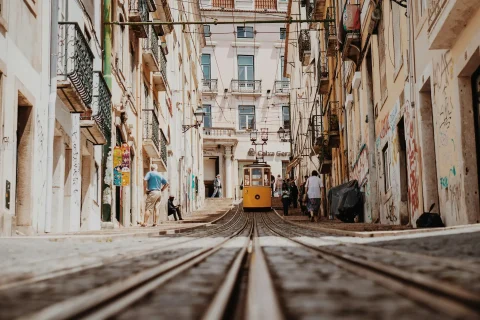
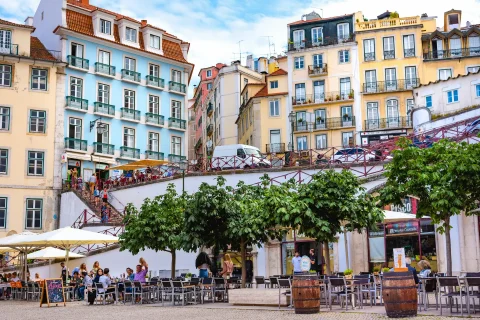
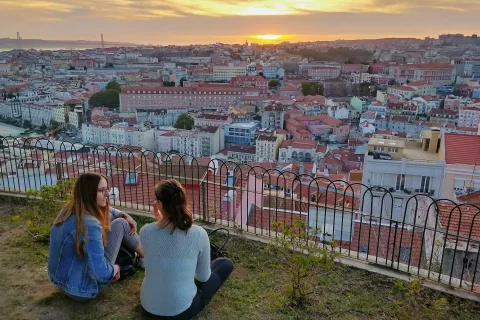
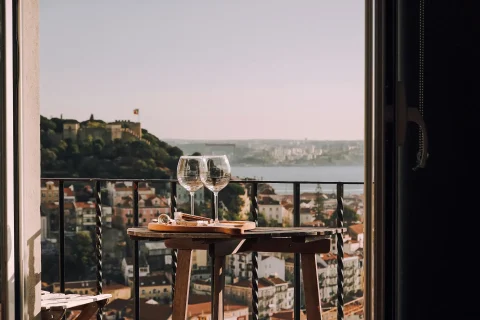
Located at the end of the Tagus River, Lisbon is a city of hills and scenic viewpoints, where the past lives harmoniously alongside modernity. As the capital and largest city of Portugal, it has emerged as one of the most charming and vibrant cities in Europe.
Its hilly geography offers stunning views of the Tagus and the Atlantic, and each neighborhood has its own unique character. Alfama and Mouraria are steeped in tradition, with winding alleys, colorful facades, and the melancholic sound of fado music echoing through the streets. Chiado and Bairro Alto reflect bohemian energy and artistic flair, while Belém pays tribute to the Age of Discoveries.
Historically, Lisbon has been shaped by Romans, Visigoths, Moors, and Christians, a legacy visible in its diverse architectural and cultural heritage. Iconic landmarks such as the Jerónimos Monastery, Belém Tower, and São Jorge Castle trace the city’s story across two millennia.
Gastronomically, Lisbon offers a flavorful journey between land and sea. Grilled sardines, traditional “petiscos” (snacks), cod fritters, and the famous custard tarts (pastéis de nata) are must-tries. Wines from the Lisbon region, especially the crisp whites from Bucelas and the robust reds from Alenquer, are perfect pairings.
Lisbon is vibrant, historic, and deeply captivating.
Alentejo Region – Tranquility and Authenticity
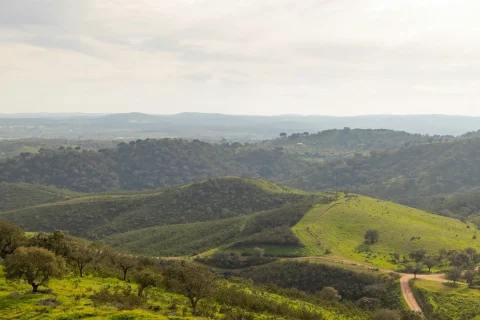
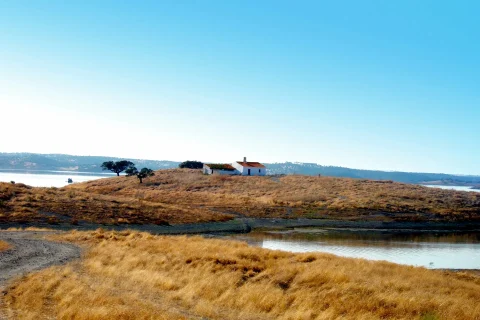
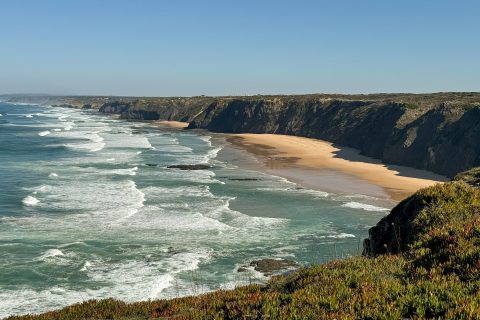
The Alentejo is the largest region in Portugal. It goes from the Tagus River down to the Algarve mountains, and from the Atlantic coast to the Spanish border. Its landscape is defined by vast golden plains, gentle rolling hills, the iconic monte alentejano (where the cork oak tree reigns supreme), sprawling vineyards, and a rugged Atlantic coastline.
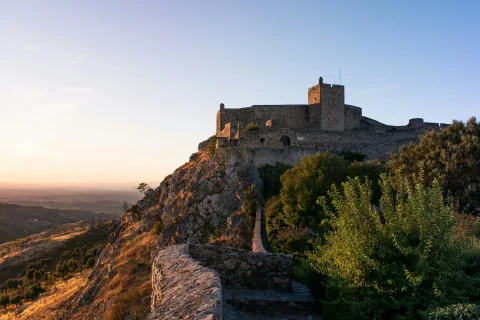
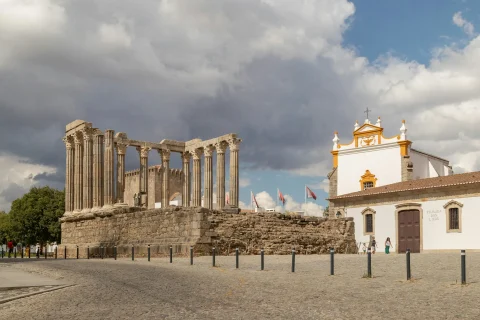
With a slower pace of life, the Alentejo is the ideal place to slow down, take a deep breath, and immerse yourself in the authenticity of the Portuguese countryside. Cities like Évora—a UNESCO World Heritage Site—showcase the region’s Roman, medieval, and Renaissance past. Fortress-villages such as Marvão, Monsaraz, and Elvas hold centuries of defensive history, while towns like Arraiolos and Serpa keep local traditions alive, like hand-embroidered rugs and the soulful cante alentejano.
Nature in the Alentejo is revealed through well-preserved natural parks, including the Serra de São Mamede Natural Park, the Guadiana Valley, and the wild coastal landscapes of the Southwest Alentejo and Vicentine Coast Natural Park.
Alentejo cuisine is simple yet deeply flavorful. Dishes like lamb stew, migas, açorda (bread soup), aged cheeses, and wood-fired bread are staples of the regional table. Alentejo wines are now internationally acclaimed, blending tradition with innovation. Indigenous grape varieties produce full-bodied, intense, and aromatic wines, best enjoyed in renowned local wineries.
In short, the Alentejo is a perfect escape for those seeking peace and authenticity. With its historic villages and strong Roman and Moorish heritage, traveling with SóPraSi means discovering this region through guided hikes, authentic culinary experiences, and visits to some of the most pure natural parks in Europe.
Know more about this region
Algarve Region – A Natural and Cultural Paradise
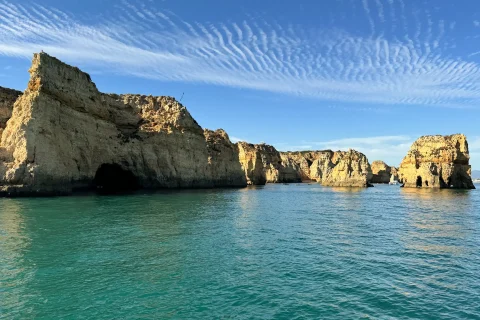
Located in the southernmost part of Portugal, the Algarve is famous for its golden beaches, dramatic cliffs, hidden coves, and mild weather year-round. But this region offers much more than just sun and sea. It holds cultural, historical, and natural richness, waiting to be discovered through personalized and authentic experiences.
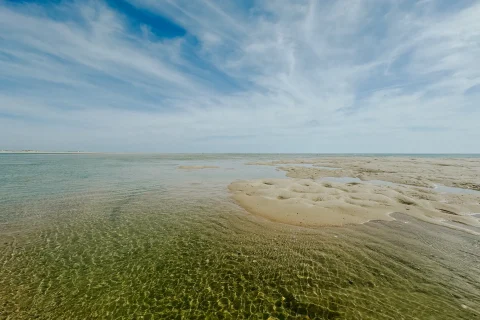
Geographically, the Algarve is divided into two main areas: the coast, with its breathtaking beaches and rock formations, and the inland region known as the Barrocal, filled with hills, orchards, quaint villages, and preserved traditions. The wetlands of the Ria Formosa and the Castro Marim salt marshes are biodiversity sanctuaries.
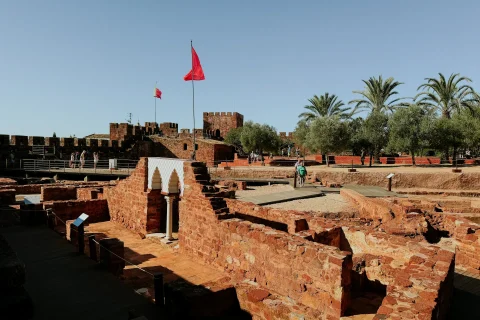
Historically, the Algarve was profoundly shaped by Moorish presence, which is still visible in the whitewashed houses, narrow streets, and irrigation systems. Cities like Tavira, Silves, and Lagos retain this heritage, with castles, local markets, and vibrant festivals.
Further, Algarvian cuisine is a celebration of the sea: grilled fish, seafood stews (cataplanas), razor clam rice, and desserts like dom-rodrigos or almond cakes. Inland, you’ll find regional cured meats, cheeses, and the traditional medronho spirit. As for wine, the Algarve is emerging as a region producing refined red and white wines that pair perfectly with its cuisine.
Explore what we can offer you in this region
Azores – Adventures in Paradise
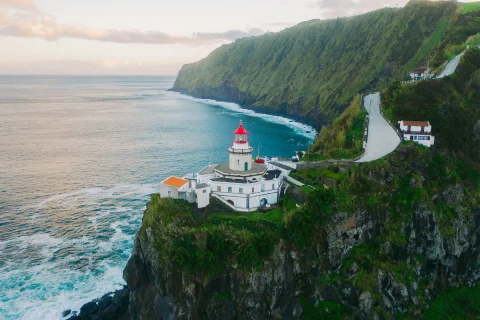
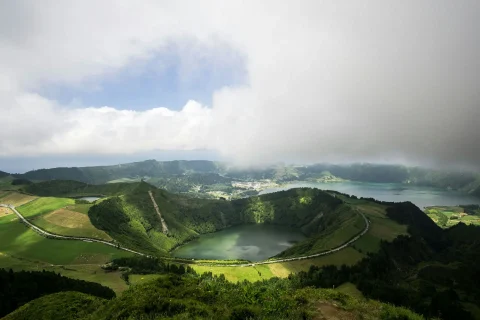
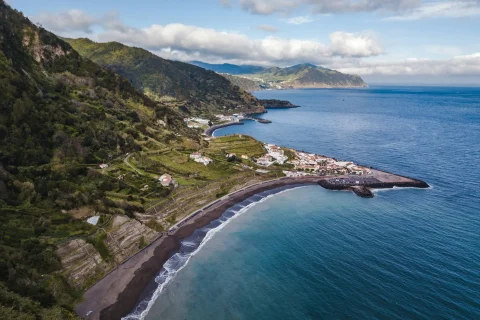
Set in the middle of the Atlantic Ocean, the Azores archipelago consists of nine volcanic islands, divided into three geographical groups: the eastern group (São Miguel and Santa Maria), the central group (Terceira, Graciosa, São Jorge, Pico, and Faial), and the western group (Flores and Corvo). The islands’ rugged geography features volcanic craters, lakes, steep cliffs, lava caves, natural pools, and lush forested areas.
Their volcanic origin gives the Azores a dramatic and unique landscape. Visitors can hike through lava fields, bathe in sulfuric hot springs, explore geological wonders, or simply admire the fairy-tale scenery. The Azores are also recognized as one of Europe’s top biodiversity reserves, home to endemic species and a crucial stopover for migratory birds.
Historically, the islands were discovered and settled in the 15th century and played a key role in Atlantic navigation during the Age of Discovery. Each island has a strong cultural identity, with its own traditions, dialects, festivals, and local cuisine. Angra do Heroísmo on Terceira Island, a UNESCO World Heritage Site, stands as a major testament to the Azores’ strategic role in the Atlantic.
Azorean cuisine is rich and varied. Highlights include São Jorge’s famed cheese, fresh fish and seafood dishes, stewed octopus, Terceira’s alcatra (slow-cooked beef), and the volcanic-cooked cozido das Furnas. The island of Pico is known for its mineral wines, grown in black lava rock fields, a winemaking landscape also listed as a UNESCO World Heritage Site.
Explore what we can offer you in this region
Ready to Plan Your Trip to Explore One or More Regions of Portugal?
Traveling with SóPraSi means discovering different regions of Portugal with heart. Every experience is crafted with care, tailored to each traveler’s pace and preferences. From authentic encounters to local flavors, breathtaking landscapes, and stories shared by those who know them best, SóPraSi goes beyond sightseeing.
With SóPraSi, you don’t just visit a country, you connect with its soul.