
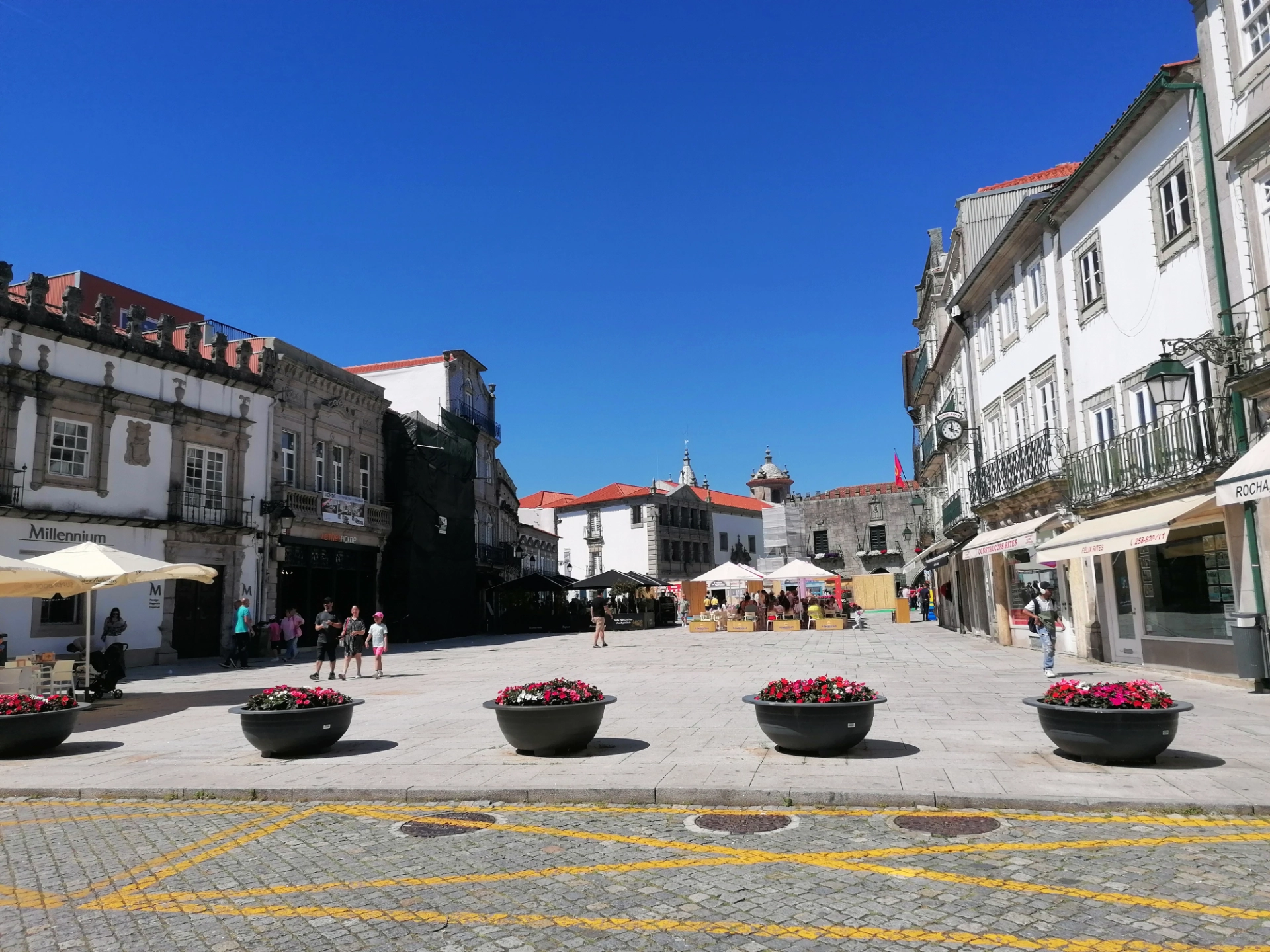
Discover four remarkable historic cities and the captivating old towns in Portugal.
Portugal is a country rich in history and culture, and its old towns are living witnesses of centuries of fascinating events. Each town has its unique history, charming architecture and an atmosphere that transports visitors back in time.
Portugal, a nation situated at the western tip of Europe, has played an important role in world history, shaping significant events over the centuries. Its historic cities, filled with architectural, cultural and historical heritage, are treasures of a rich tradition that has had a global impact.
In the 15th century, Portugal embarked on the so-called “Age of Discovery,” leading maritime expeditions that opened up new routes for global trade. As the starting point for many of these voyages, Lisbon became a vital centre of exploration. Prince Henry the Navigator was crucial in sponsoring voyages that established routes to Africa, India, Brazil, and other parts of the world.
It is essential to preserve and promote historical and cultural heritage:
- Preservation of Architecture and Urbanism: The historic centres, characterised by narrow parallel streets, Portuguese cobblestones, traditional squares, and unique architecture, are open-air museums. The preservation of these architectural elements offers a glimpse into the past. It highlights the skill and creativity of the architects and builders of previous eras.
- Testimonies to National History: Many historic centres were the scene of historical events crucial to the formation of Portugal as a nation. From mediaeval battles to periods of maritime expansion during the Discoveries, these areas contain tangible traces of a rich and complex past. Sites such as the Castelo de São Jorge in Lisbon or the Paço dos Duques de Bragança in Guimarães are notable examples.
- Promoting Cultural Tourism: Historic centres are popular tourist destinations that attract visitors from all over the world. These areas offer an authentic experience, immersing travellers in Portugal’s culture, traditions and history. Cultural tourism is vital to the local economy, encouraging these sites’ ongoing conservation and restoration.
- Preservation of Intangible Heritage: In addition to monuments and physical structures, historic centres preserve unique traditions, festivals and cultural practices. The folklore, music, gastronomy and traditional festivals rooted in these urban communities contribute to Portugal’s intangible heritage, strengthening the country’s cultural identity.
- Integration of modernity and history: Many historic centres are active dwellings where local communities live and work. The successful integration of modernity into these areas, maintaining a balance between contemporary needs and heritage preservation, is essential to guarantee the continued vitality of these places.
- Sustainable Development: The preservation of historic centres is often linked to sustainable development efforts. By revitalising these areas, promoting responsible tourism, encouraging local businesses and adopting environmentally conscious construction and management practices, Portugal seeks to ensure that its historic centres thrive sustainably.
Let’s explore 4 notable historical cities and their old towns in Portugal:
- Porto
- Guimarães
- Coimbra
- Viana do Castelo
Visit Porto: A Jewel in the North
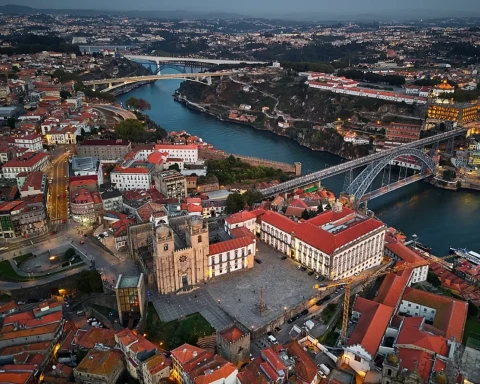
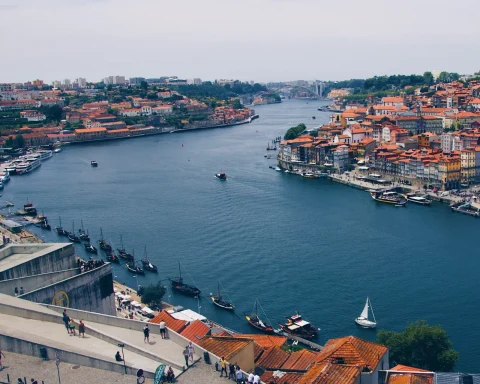
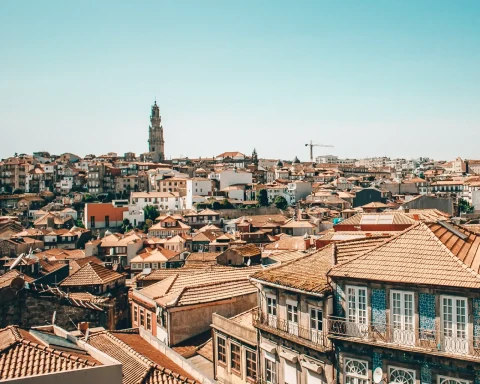
Known for its wine cellars and Port wine production, this city in northern Portugal is a historical treasure. The historic old town, listed as a UNESCO World Heritage Site in 1996, is a labyrinth of narrow, colourful alleys where old churches and traditional houses mingle. The Clérigos Tower and the Dom Luís I Bridge are icons that witness the city’s rich heritage.
The city of Porto, with its rich and complex history, plays a fundamental role in building Portugal’s identity. Over the centuries, Porto has been an epicentre of commerce, culture and resistance, shaping the country’s trajectory and contributing significantly to Portuguese heritage.
It was another vital centre during the maritime expansion. The Ribeira, on the banks of the River Douro, tells the stories of trade and cultural exchange.
Porto was a crucial commercial and shipping centre during the Age of Discovery. Portuguese explorers, such as Diogo Cão and Bartolomeu Dias, set out from the banks of the River Douro on expeditions that contributed to maritime expansion and the establishment of the Portuguese empire.
Known to many as the “Jewel of Northern Portugal”, Porto is a destination that combines historic charm, stunning architecture, delicious gastronomy and warm hospitality.
Porto' Old Town
Porto’s heart beats along the River Douro’s banks, where the hills covered with colourful houses provide a breathtaking view. Porto is known for its unique topography, with steep streets winding between historic buildings, providing opportunities for panoramic views that capture the city’s essence.
In Porto’s old town, Ribeira is a maze of cobbled alleyways, bustling squares and historic buildings that tell centuries of history. The colourful façades, traditional tiles and decorated balconies give this area a unique charm.
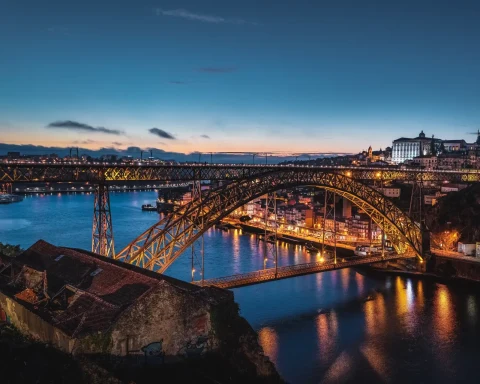
At night, the lights reflected in the river create a magical atmosphere.
The Dom Luís I Bridge: A Tribute to Engineering
One of Porto’s most iconic features is the Dom Luís I Bridge, a 19th-century engineering masterpiece designed by Gustave Eiffel. This double bridge connects Porto to the neighbouring Vila Nova de Gaia. It offers unparalleled panoramic views of Porto and the Douro.
Cultural Patrimony of Porto
Porto is a cultural treasure, home to various museums, galleries and art spaces. Livraria Lello, for example, with its fantastic architecture and stunning staircase, is a literary landmark. The Serralves Museum of Contemporary Art and Casa da Música are essential destinations for art and music lovers.
Gastronomy: what to eat in Porto?
But we must remember the gastronomy.
Porto’s cuisine is an unforgettable sensory experience. Traditional dishes such as Francesinha and Tripas à Moda do Porto delight the palate. The markets, such as Mercado do Bolhão, offer an authentic taste of local flavours, with fresh produce and cheerful vendors.
The people of Porto are known for their warm hospitality and friendliness. The locals, called “Tripeiros”, welcome visitors with open arms, making their stay in the city a cosy and enriching experience.
Porto is truly the “Jewel of Northern Portugal”. With its rich history, stunning architecture, vibrant culture, delicious gastronomy and the warmth of its people, this city is a jewel that shines on the European stage. Porto invites visitors to explore its charming streets, savour magnificent wines and immerse themselves in a unique experience that harmoniously combines tradition and modernity.
Visit Guimarães: Birthplace of Portugal
Considered the cradle of the Portuguese nation, Guimarães played a crucial role in shaping the country. The narrow streets and picturesque squares also offer a glimpse into this city’s glorious past.
Guimarães, a city located in the north of Portugal, is a historical treasure that played a vital role in the country’s formation and identity.
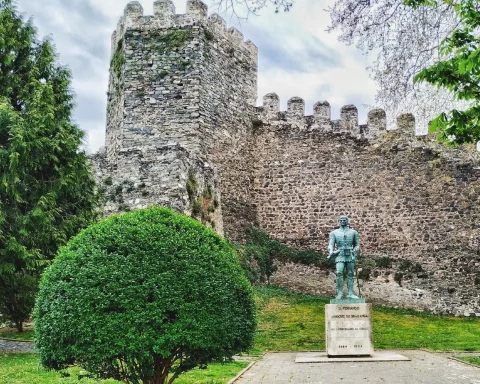
But Guimarães is much older. It is believed that the city was founded in the 10th century by Vimara Peres, a Galician nobleman, during the Christian Reconquista. Guimarães Castle, built in the same period, was a crucial defensive bastion against Moorish incursions.
Guimarães gained historical prominence in 1128, when King Afonso Henriques, the first king of Portugal, proclaimed himself such after the Battle of São Mamede. The Paço dos Duques de Bragança, a 15th-century palace, is a testimony to the influence of the nobility in the city and was the residence of members of the House of Bragança, one of Portugal’s most important noble families.
Guimarães' Old Town
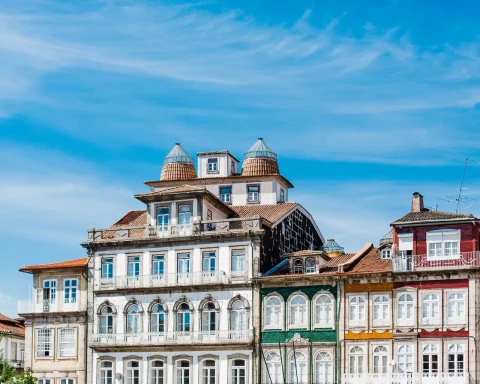
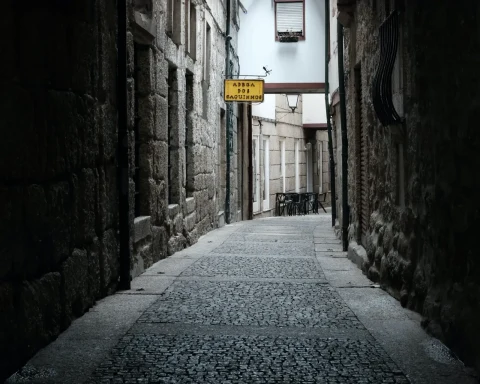
Guimarães’ old town is a maze of cobbled streets, charming squares and buildings with traditional façades. Praça de Santiago is a central spot, surrounded by colourful houses and the Church of São Tiago. Rua de Santa Maria, with its traditional shops, also offers a charming atmosphere.
Guimarães Castle is an imposing and symbolic landmark. Located on top of a hill, it offers panoramic city views. The keep, an integral part of the castle, is an outstanding example of mediaeval military architecture. The castle has been restored over the years and is now an important tourist and historical site.
For all this and much more, Guimarães was listed as a UNESCO World Heritage Site in 2001, a recognition that emphasises its historical importance to Portugal and its fundamental role in shaping the nation. This prestigious title emphasises the richness of the city’s cultural and architectural heritage, which continues to bear witness to Lusitanian history.
This honour reflects the exceptional relevance of Guimarães in the narrative of Portuguese history. The city’s mediaeval origins, its role in establishing the Kingdom of Portugal and the evolution of culture and architecture are critical aspects of this designation.
The UNESCO distinction not only recognises Guimarães’ illustrious past, but also highlights ongoing preservation and restoration efforts. The title encourages the city to maintain the authenticity of its historic monuments while adapting to contemporary needs.
The impact of being European Capital of Culture
In 2012, it was honoured with the European Capital of Culture title. The European Union awards this prestigious accolade annually to cities that highlight the value of cultural diversity, promote mutual understanding between European citizens, and celebrate the richness of the continent’s cultural heritage.
On receiving the title, Guimarães committed to hosting a series of cultural events and activities that would celebrate the city’s heritage and highlight its contribution to European culture in a broader context.
This title not only brought Guimarães to prominence but also had lasting impacts. The city has strengthened its role as a cultural destination, attracting visitors keen to explore its historical roots, appreciate its burgeoning artistic vein, and participate in dynamic cultural events.
The emphasis on local identity and historical storytelling has enriched the collective understanding of residents and visitors who have witnessed the unique essence of Guimarães.
Guimarães, with its multifaceted history, is a cultural jewel that encapsulates the essence of Portugal’s formation as a nation. Every street, stone, and monument tells a rich and captivating story, making the city an unmissable destination for those seeking to understand the deep roots of Portuguese identity.
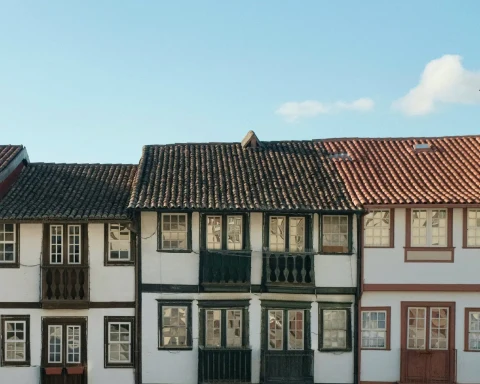
Visit Coimbra: The Centre of Knowledge
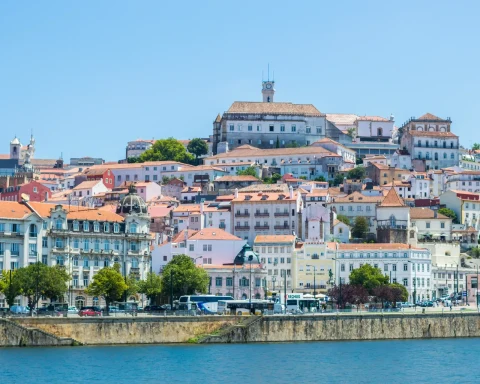
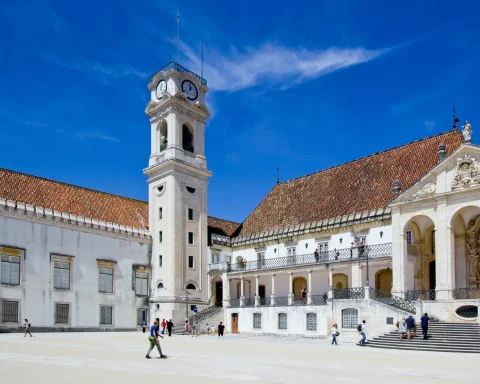
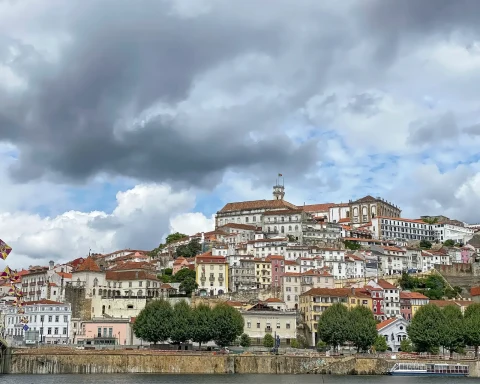
Known for its historic university, Coimbra is a city where erudition has flourished over the centuries. The Joanina Library, built in the 18th century, is a rare books and manuscripts treasure trove. The University of Coimbra dominates the city’s landscape and is a must-see.
Coimbra, the city of students, plays a unique role in Portugal’s history. It marks the country’s university scene and serves as the stage for significant events, such as the Student Crisis in 1969.
That year, Coimbra became the epicentre of a student crisis that echoed throughout the city and reverberated throughout the country. The students, influenced by the time’s global social and political movements, expressed their discontent with the authoritarian Estado Novo regime led by António de Oliveira Salazar.
The student protests in Coimbra were fuelled by several issues, including the lack of academic freedom, the censorship imposed by the government and the social and political conditions in Portugal. The Republic Square, known as “República”, was the scene of demonstrations, debates and student meetings, becoming a symbol of resistance and the demand for change.
Students demanded democratic reforms, freedom of expression and participation in decisions that affected their academic and social lives. The crisis culminated in clashes with the authorities and police repression. Still, it also awakened a collective awareness of the need for profound changes in Portuguese society.
This crisis challenged the status quo and left a lasting legacy. In response to student demands, the Portuguese government was pressurised to implement reforms, paving the way for the Carnation Revolution movement, which in 1974 overthrew the authoritarian regime and established a period of transition to democracy in Portugal.
As the birthplace of these events, Coimbra saw significant transformations in its dynamics. The university became a symbol of freedom and critical thinking. The atmosphere of protest in the 1960s shaped the city’s identity, and Praça da República continues to be a place to meet, reflect and celebrate the freedom that was won.
Today, Coimbra remains a city honouring its past of resistance and transformation. Students continue to be active agents in building a fairer and more egalitarian future, keeping alive the flame of activism that marked the Student Crisis of 1969 and helped forge Portugal’s destiny towards democracy.
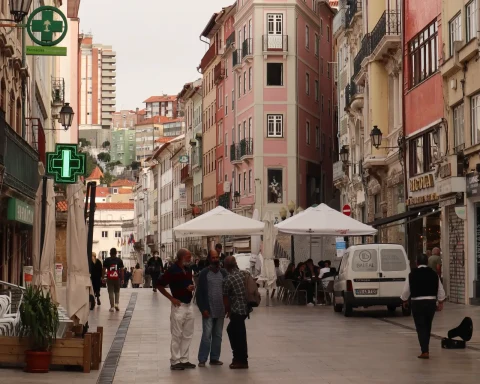
Visit Viana do Castelo: the delicacy of filigree
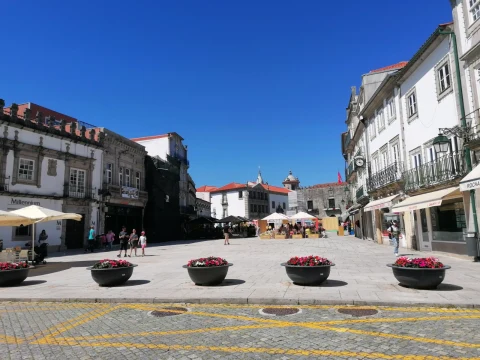
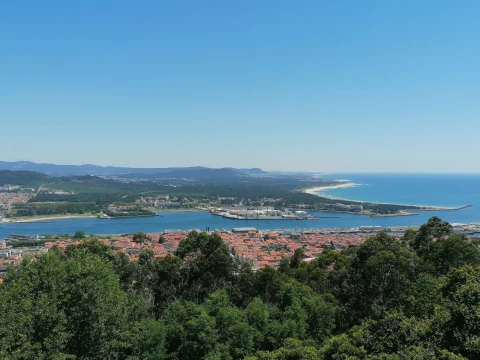
Viana do Castelo is a charming city on the north coast of Portugal, a historical treasure whose roots go back a long way. Bathed by the Atlantic Ocean and adorned by a rich cultural heritage, Viana do Castelo has become a vital centre for its magnificent natural beauty and economic and artistic importance, particularly in the practice of filigree.
Viana do Castelo’ Old Town
Archaeological remains indicate that Viana do Castelo has a history dating back to the Iron Age. However, its notoriety grew during the Middle Ages, when the city was an important seaport and commercial centre. The Castle of Santiago da Barra, built in the 16th century, attests to the city’s strategic importance in defending the Portuguese coast against invasions.
In Viana, we find a variety of architectural styles, with buildings reflecting influences from the Gothic to the Renaissance. The Praça da República, with its manor houses and Mother Church, is a stunning example of Renaissance architecture. The Eiffel Bridge, built by engineer Gustave Eiffel in the 19th century, links the town to the parish of Darque and is a notable landmark.
But filigree has recently given Viana do Castelo the most attention.
Filigree: The Art of Gold and Silver Threads
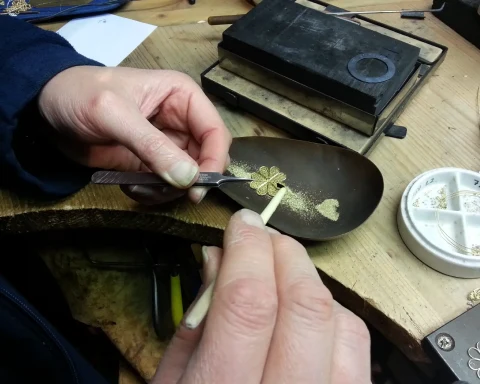
One of the most distinctive elements of Viana’s culture is the practice of filigree. This craft technique involves interweaving fine gold or silver threads to create delicate and ornate jewellery. Filigree has deep roots in Viana do Castelo and expresses the mastery of local artisans.
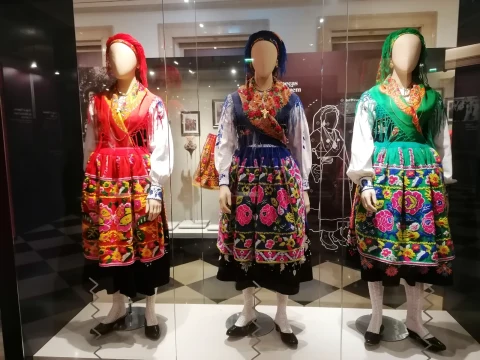
Filigree jewellery in Viana do Castelo is an art form and an integral part of the city’s identity. Filigree jewellery, such as the iconic “Hearts of Viana,” symbolises love, luck, and tradition. The heart represents devotion and the bond between generations, making it a distinctive jewel in traditional bridal outfits and festive celebrations.
Filigree production is a cultural tradition and an essential economic activity for the region. The artisans of Viana do Castelo keep alive the skill of creating unique pieces, passing on their knowledge from generation to generation. The Filigree Education and Promotion Centre, inaugurated in the city, is testimony to the effort to preserve and promote this unique art.
Today, Viana do Castelo continues to thrive as a city, honouring its past while thinking about and preparing for the future. The combination of its historical beauty, the importance of filigree and the dedication to preserving cultural heritage make Viana do Castelo a charming and culturally enriching destination.
The history of Viana do Castelo is a fascinating account of a city that has evolved over the centuries, maintaining its traditions and contributing to Portugal’s cultural legacy, especially through the distinctive art of filigree.
Do You Want to Explore these Old Towns in Portugal?
These old towns in Portugal are not just relics of the past but vital to national identity. Their significance transcends geographical boundaries, contributing to a global understanding of Portuguese history, culture, and heritage, in which you can play a part.
Maintaining a balance between preservation and development is crucial to ensuring these cultural treasures remain significant for future generations.
How about organising a trip to visit one or more old towns in Portugal and learn alongside passionate and knowledgeable guides?
Contact us, and we will organise a customised, private, personalised trip for you.